Skip to content

Made around your part

One tool. The same part, every shot.

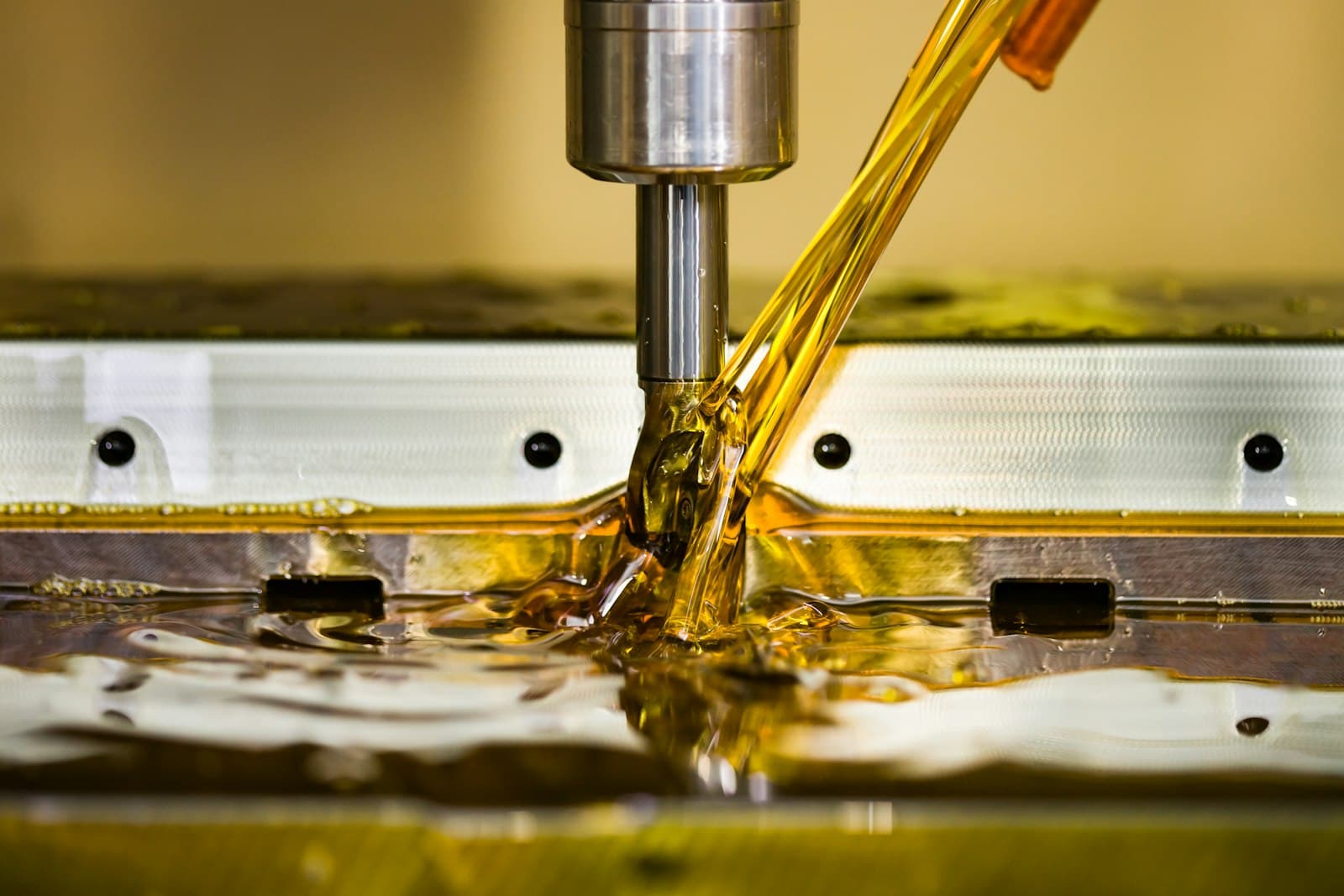
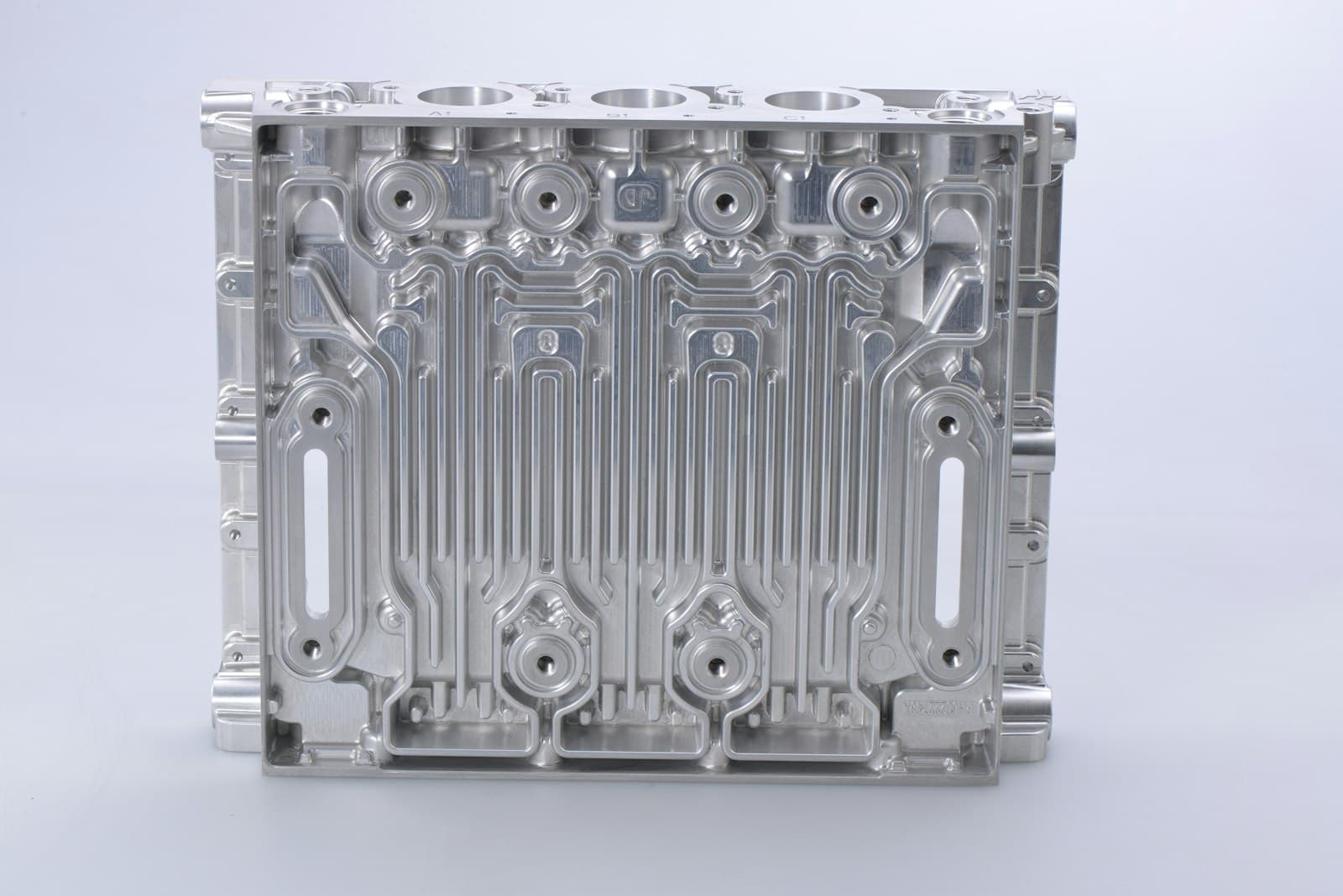
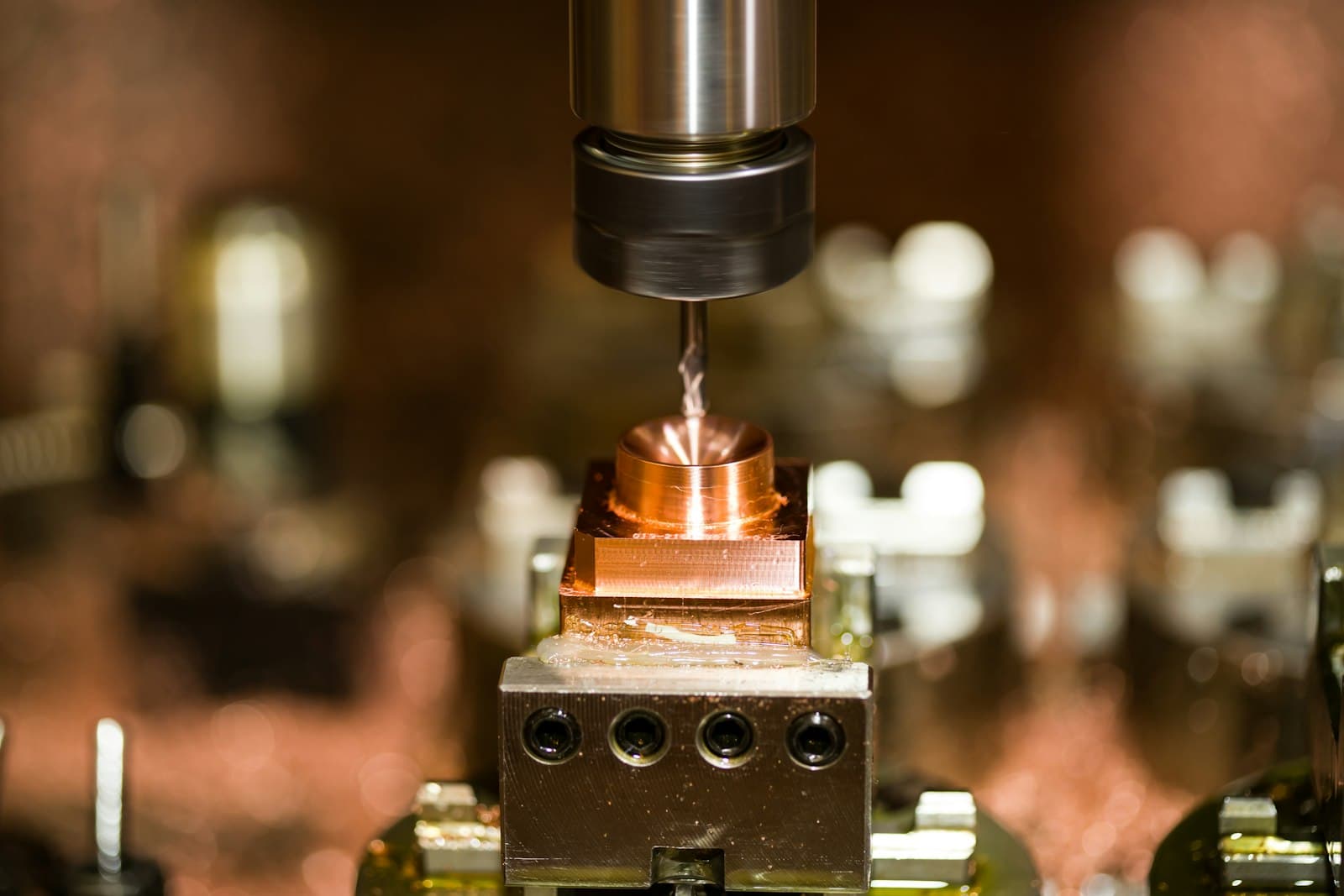
Stranger Hands designs and machines bespoke injection moulds in our London studio. Send the part you want to mould, as a CAD file, a drawing, a sketch or a sample, and tell us the plastic, the number of parts and the press it will run in. We check the part for moulding first: draft, wall thickness, undercuts and where the mould will split, and suggest the small changes that help it fill cleanly and drop out of the tool. Then we design the mould around it, with the parting line, sprue, runners, gates, vents and ejector pins placed for your plastic, and cut the cavity and core from solid aluminium on our CNC machining centre. It takes mould plates up to 400 × 265 mm and 180 mm tall, changes between nine cutters by itself, and repeats its position to ±0.01 mm, so the two halves line up and an insert fits the pocket it was made for. We make complete two-plate moulds for benchtop and desktop injection presses, cavity and core inserts for a moulder's mould base, multi-cavity and family moulds, and new or corrected inserts for a mould you already have. Aluminium tooling suits prototypes, bridge tooling and short runs, from tens of parts to thousands, at a fraction of the cost and lead time of hardened steel. Every mould is checked against the model before it leaves, cavities can be polished or textured, and we adjust the tool after your first shots if the parts need it. We quote before any work starts and post across the UK and abroad.

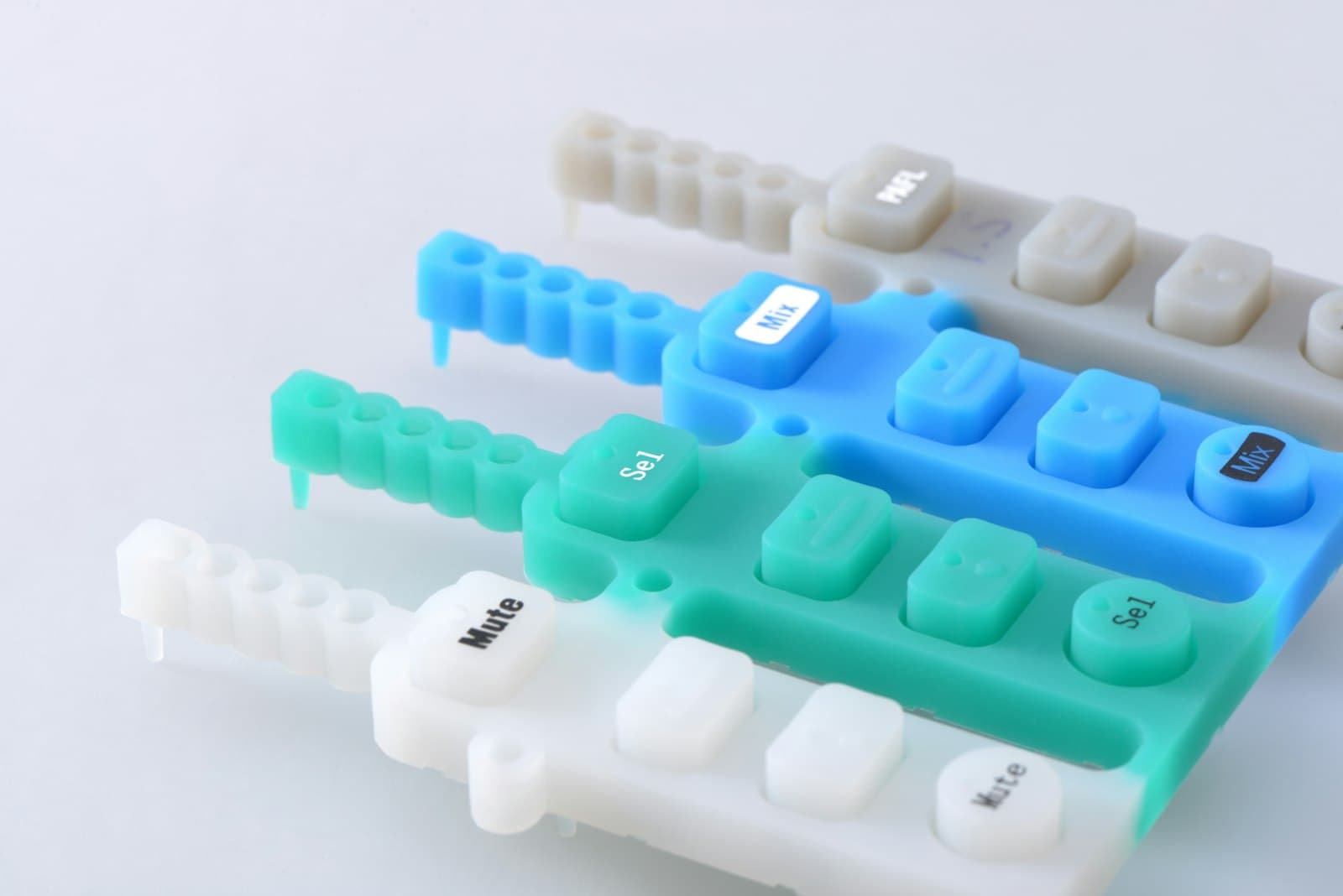
Moulded keypads in white, green, blue and grey, each still on its runnerOne design, four colours

What we can help with

Designed, machined and adjusted in one studio.

  1. 01

    Designed for moulding

    Before anything is cut, we check your part for draft, even walls, undercuts and sink marks, decide where the mould splits and where the plastic goes in, and suggest the small changes that help it fill cleanly and drop out of the tool.

  2. 02

    Cut from solid aluminium

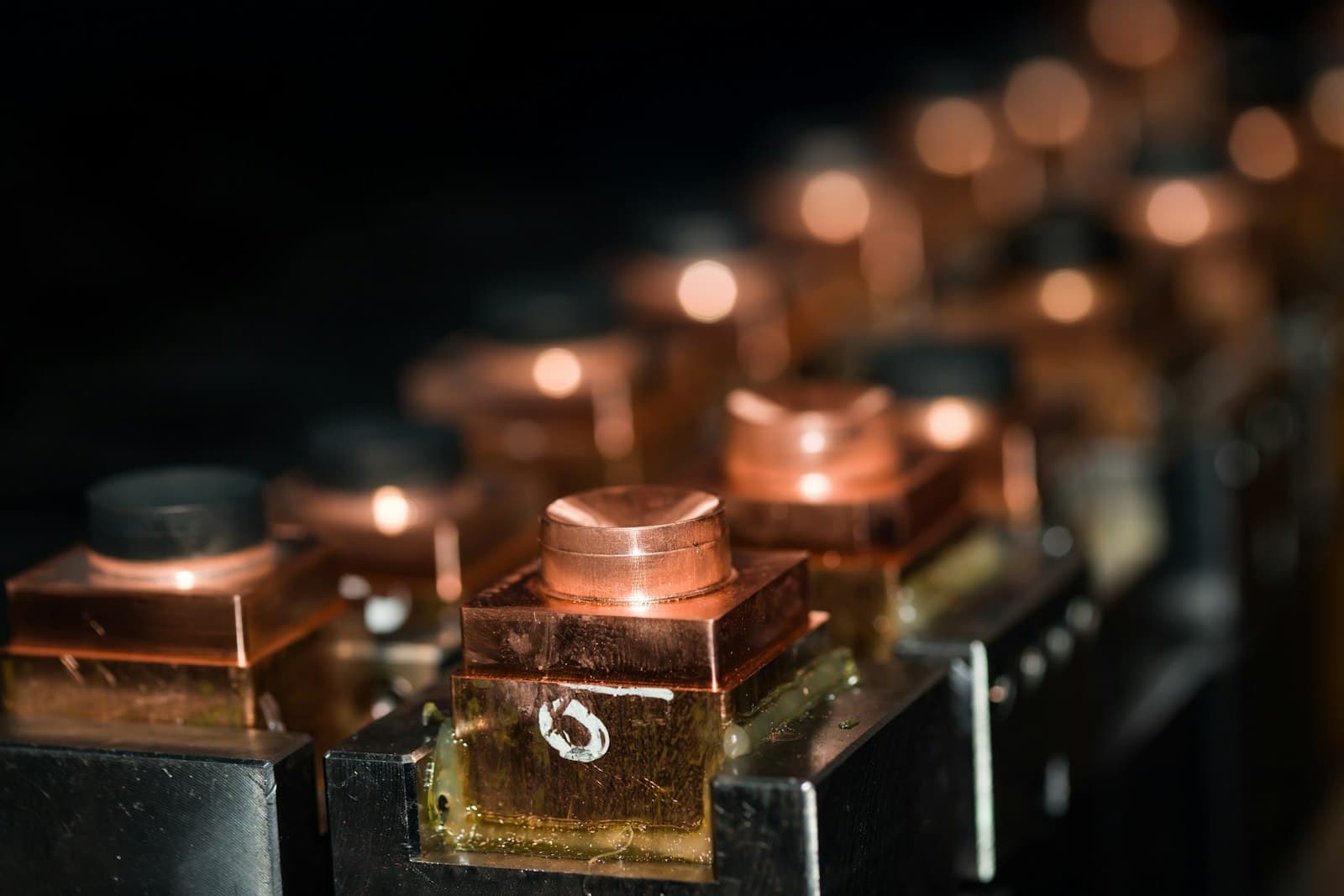
    Cavities and cores are machined from 7075 or 6061 aluminium, which cuts quickly, carries heat away fast so each shot cools sooner, and costs far less than hardened steel. Small inserts in brass, copper or steel can be made by agreement.

  3. 03

    Large plates, tight fits

    Mould plates up to 400 × 265 mm and 180 mm tall are machined in one setup, on a machine that repeats its position to ±0.01 mm, so the cavity meets the core, shut-offs seal and inserts drop into their pockets.

  4. 04

    Made for your press

    A benchtop or desktop press, or your moulder's production machine: send its make and model, and the mould is sized for its platens and clamping, with the sprue seated to its nozzle and the part and runners within its shot size.

  5. 05

    One cavity, several, or a family

    A single cavity to prove the design, several identical cavities to make more parts in every shot, or a family mould with the different parts of one product on the same runner.

  6. 06

    The finish your part needs

    Cavities are polished for gloss and clear parts, bead-blasted for an even matt, or left as machined where a face will not show. Lettering, logos, part numbers and date marks are cut into the cavity, mirrored so they read the right way on the part.

  7. 07

    Adjusted after the first shots

    A short shot, flash or a part that sticks is usually cured by a small change to a gate, a vent or the polish. Send the mould back with a few of its first parts, and we make the change.

Kinds of mould

A prototype, a short run or inserts.

Most of our moulds are one of these three. The figures are a guide: tell us the part, the plastic and the number you need, and we quote the tool for it.

Not sure which you need? Send the part and the number you want, and we will suggest the tool, or tell you if silicone casting would serve you better.

Ask which mould suits ↗

Sizes, tolerances and files

What fits, how precise, and what to send.

The facts most moulds need before a quote. If your part is close to a limit, send it anyway: there is often a way to mould it.

Designing a part for moulding

  1. 1

    Add draft to every wall

    Faces that slide past the mould as it opens need a slight taper, or the part grips the tool. Allow at least 1° on smooth faces and 2–3° on textured ones. If your model has none, we add it and show you where.

  2. 2

    Keep the walls even

    Plastic shrinks as it cools, and thick sections shrink most, leaving sink marks and warping. Keep walls between about 1 and 3 mm, the same thickness throughout, and hollow out thick areas instead of filling them.

  3. 3

    Make ribs thinner than walls

    Stiffen a part with ribs rather than thickness. Make each rib about half to two-thirds as thick as the wall it stands on, so it does not pull a sink mark into the face behind it.

  4. 4

    Round the corners

    Sharp inside corners stress the plastic and cannot be cut by a round cutter. Give inside corners a radius of at least half the wall thickness, and the outside corners that radius plus the wall.

  5. 5

    Avoid undercuts, or name them

    Anything that stops the part sliding straight out, such as a hook, a hole through a side wall or a groove round the outside, needs a side action or a loose core. Many can be designed out; tell us which must stay.

  6. 6

    Name the plastic and the press

    Every grade shrinks by its own amount, and every press has a largest shot and a largest mould. Name both, and we size the cavity, the runners and the gates for them.

Not sure your part is ready to mould? Send it anyway. We check every design before quoting, and suggest the changes that make it easier to mould and cheaper to make.

Send us your part ↗

What our moulds make

From caps and clips to product housings.

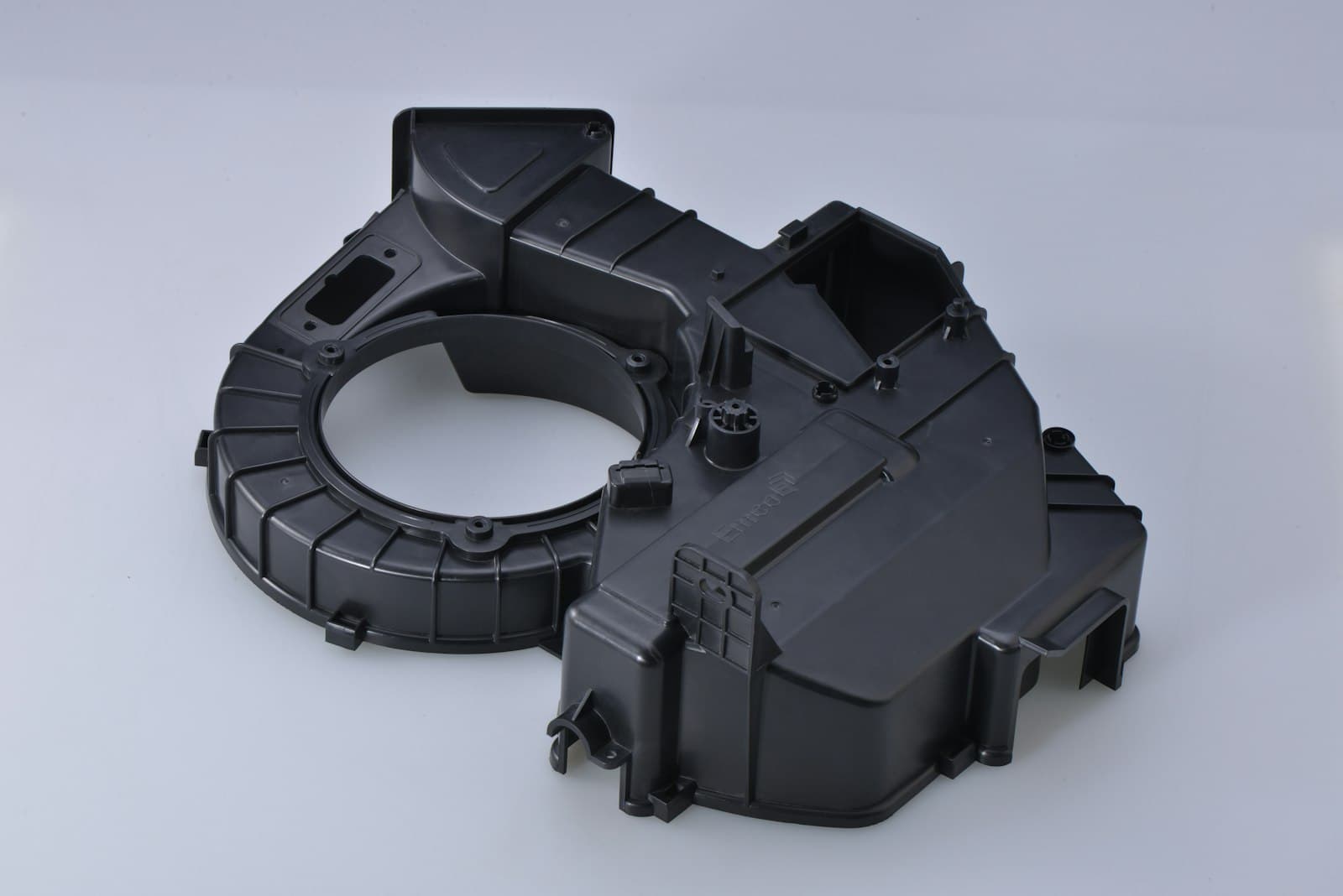
A black moulded plastic housing with ribs, clips and a round opening
Product housings and enclosures
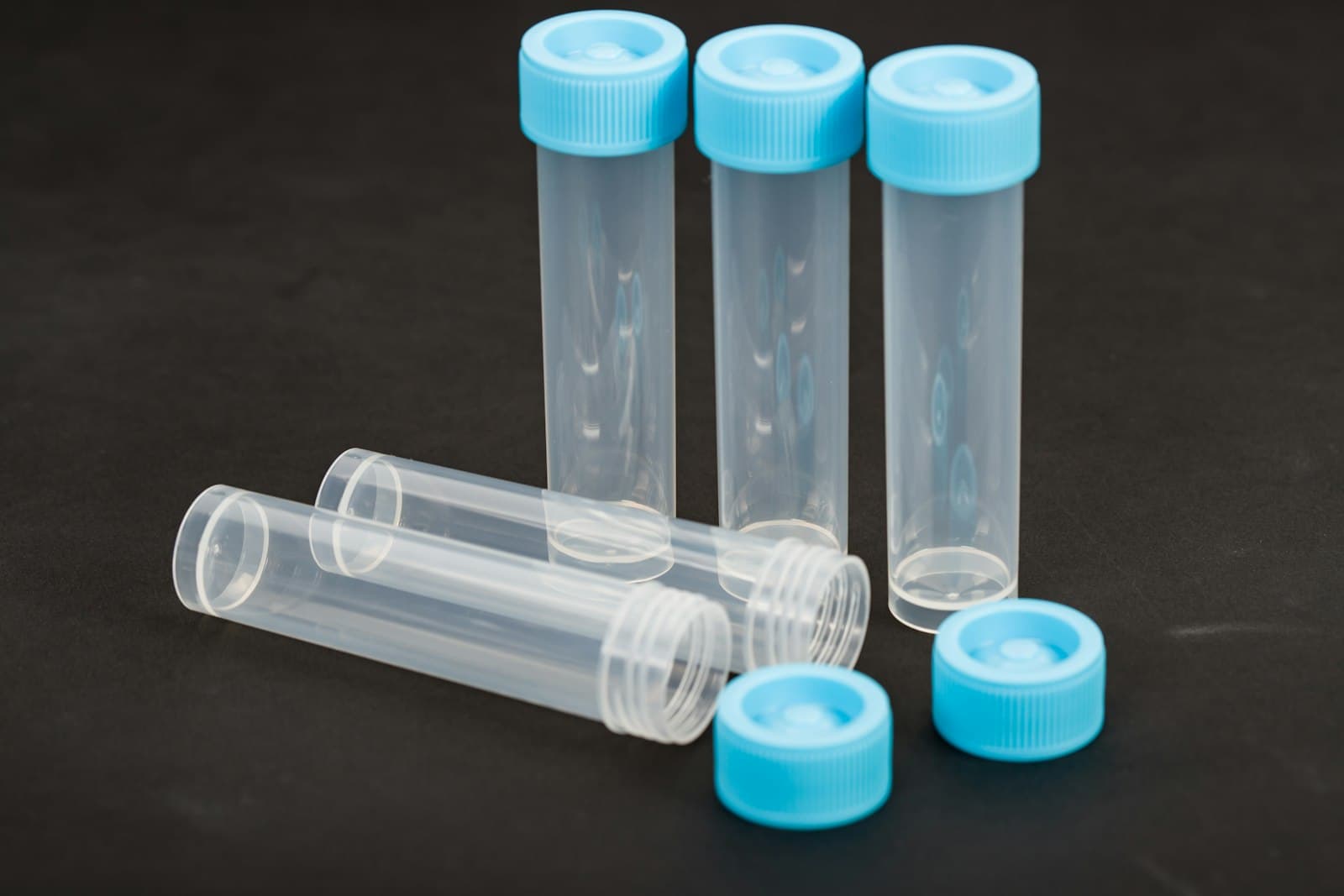
Clear moulded plastic tubes and their blue screw caps
Clear parts and screw caps
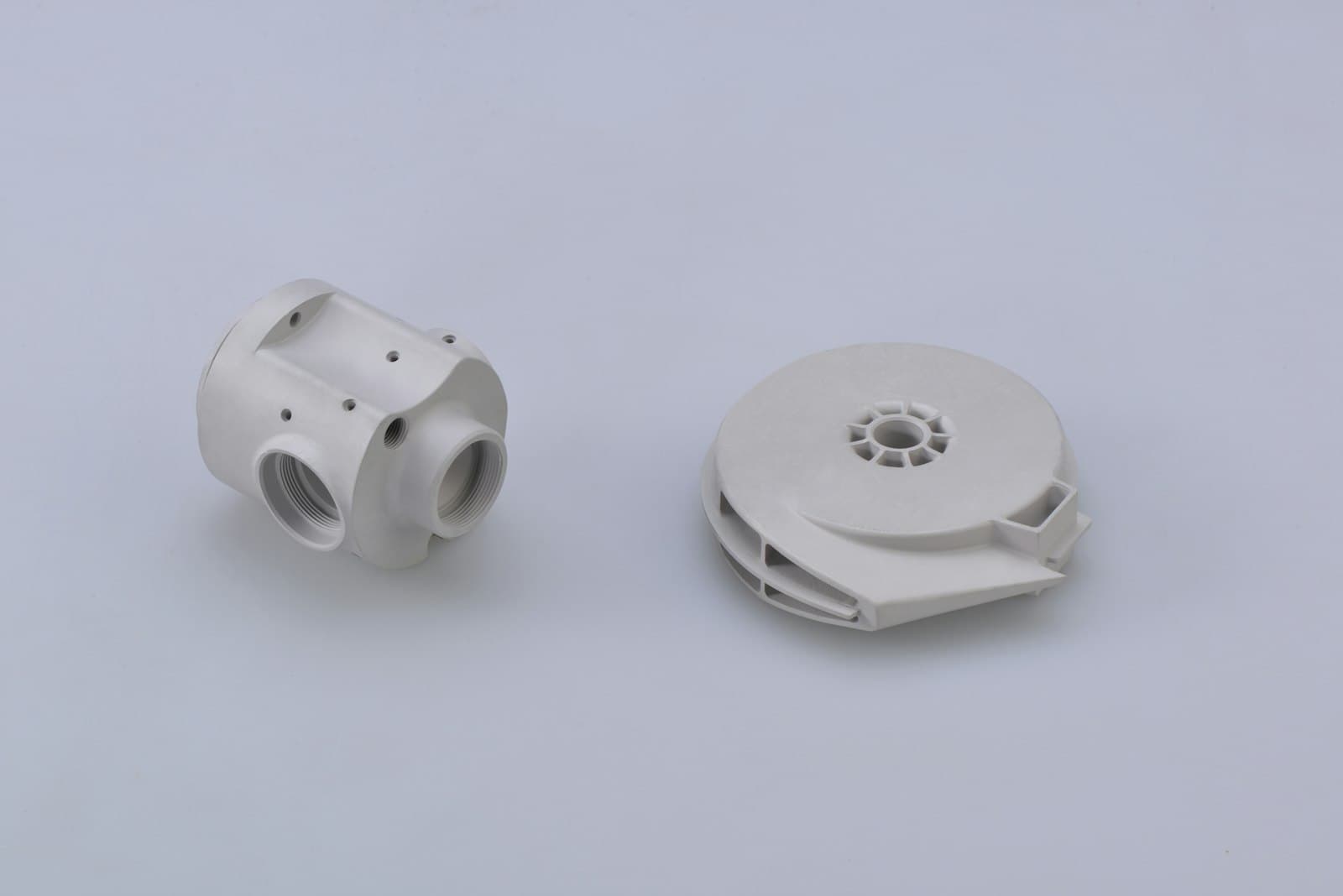
Two white moulded plastic parts: a ported fitting and a round cover
Fittings and technical parts
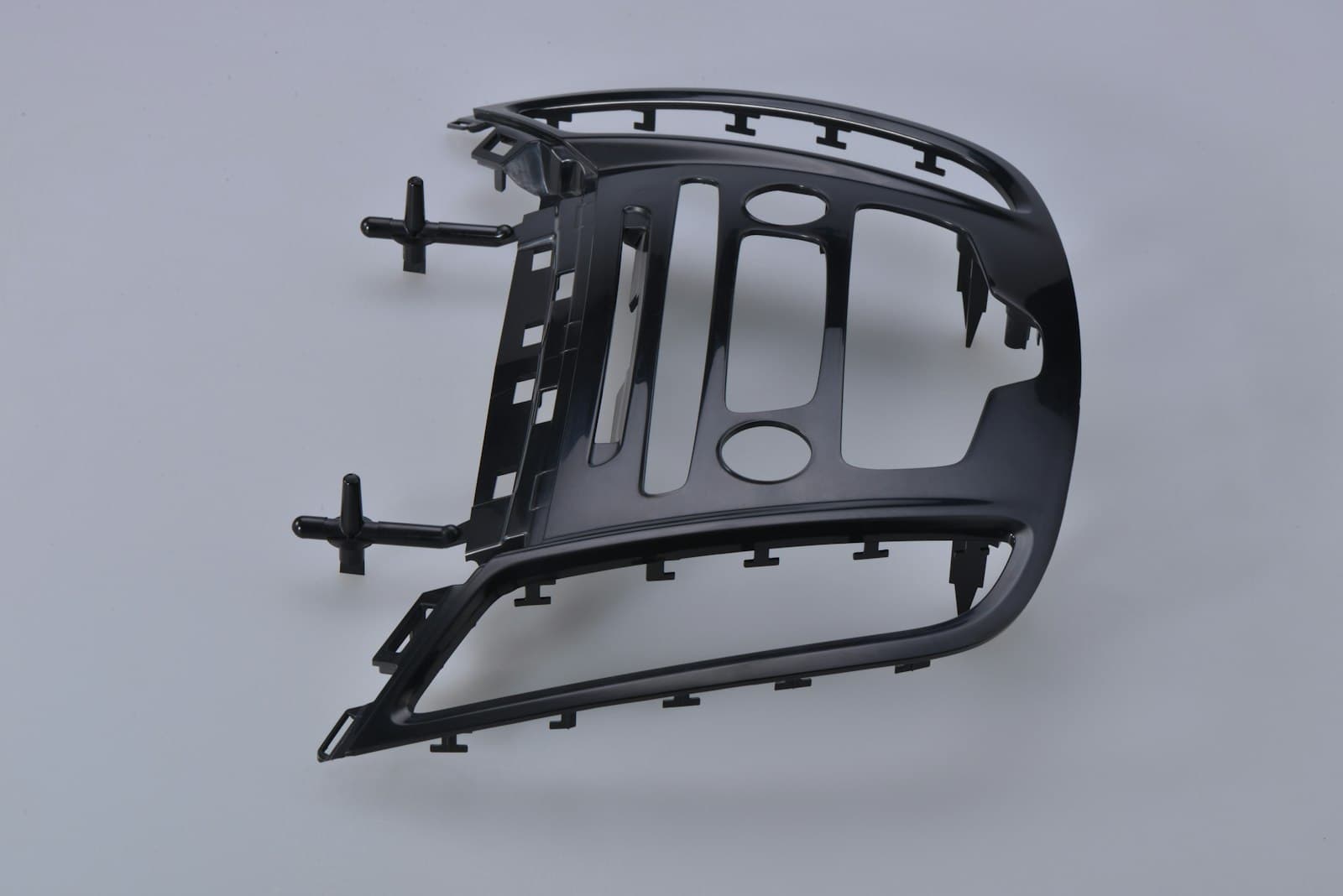
A black moulded plastic bezel frame with its fixing clips
Trim, bezels and frames
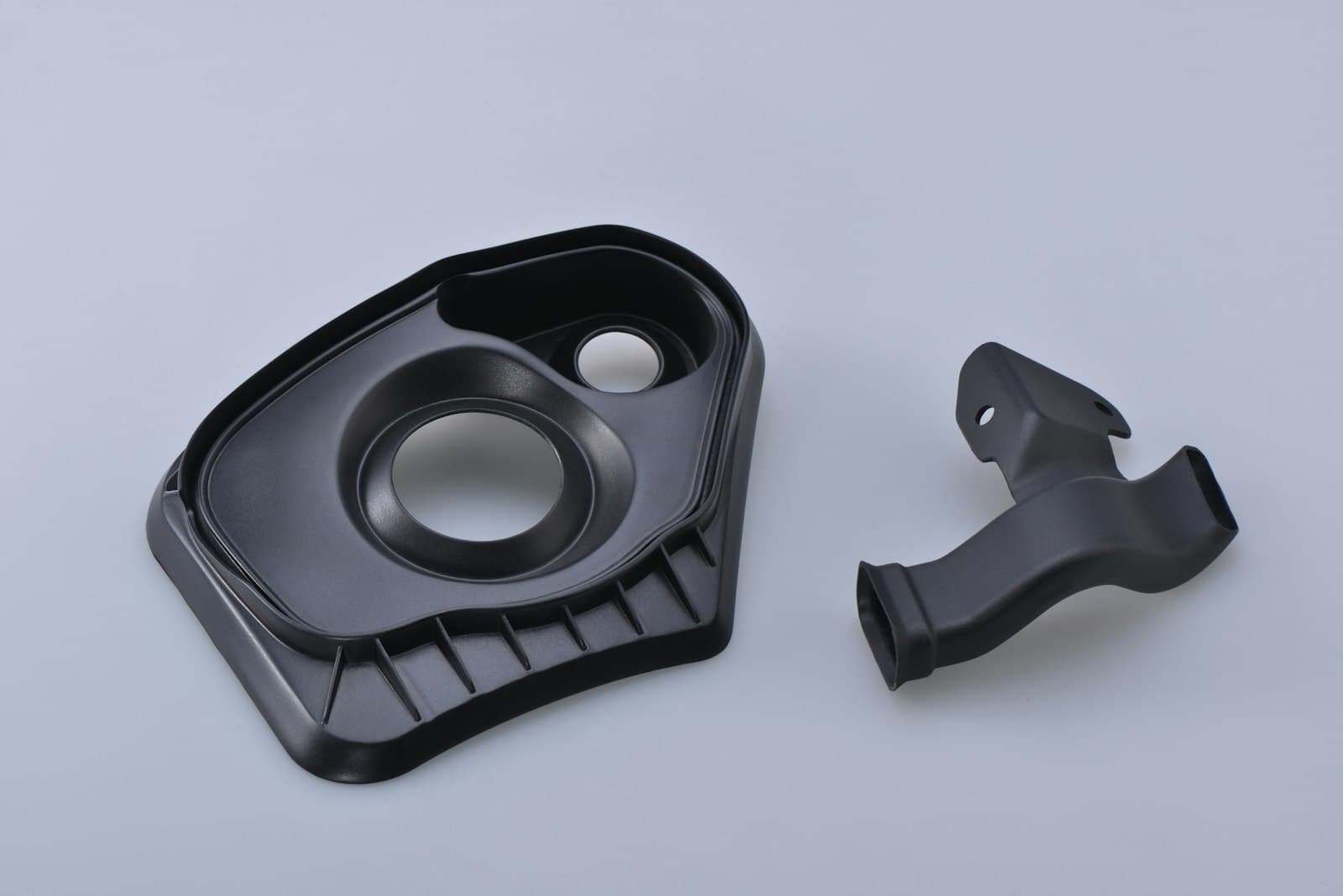
Two black moulded plastic parts: a mount with a round opening and a small bracket
Mounts, clips and brackets
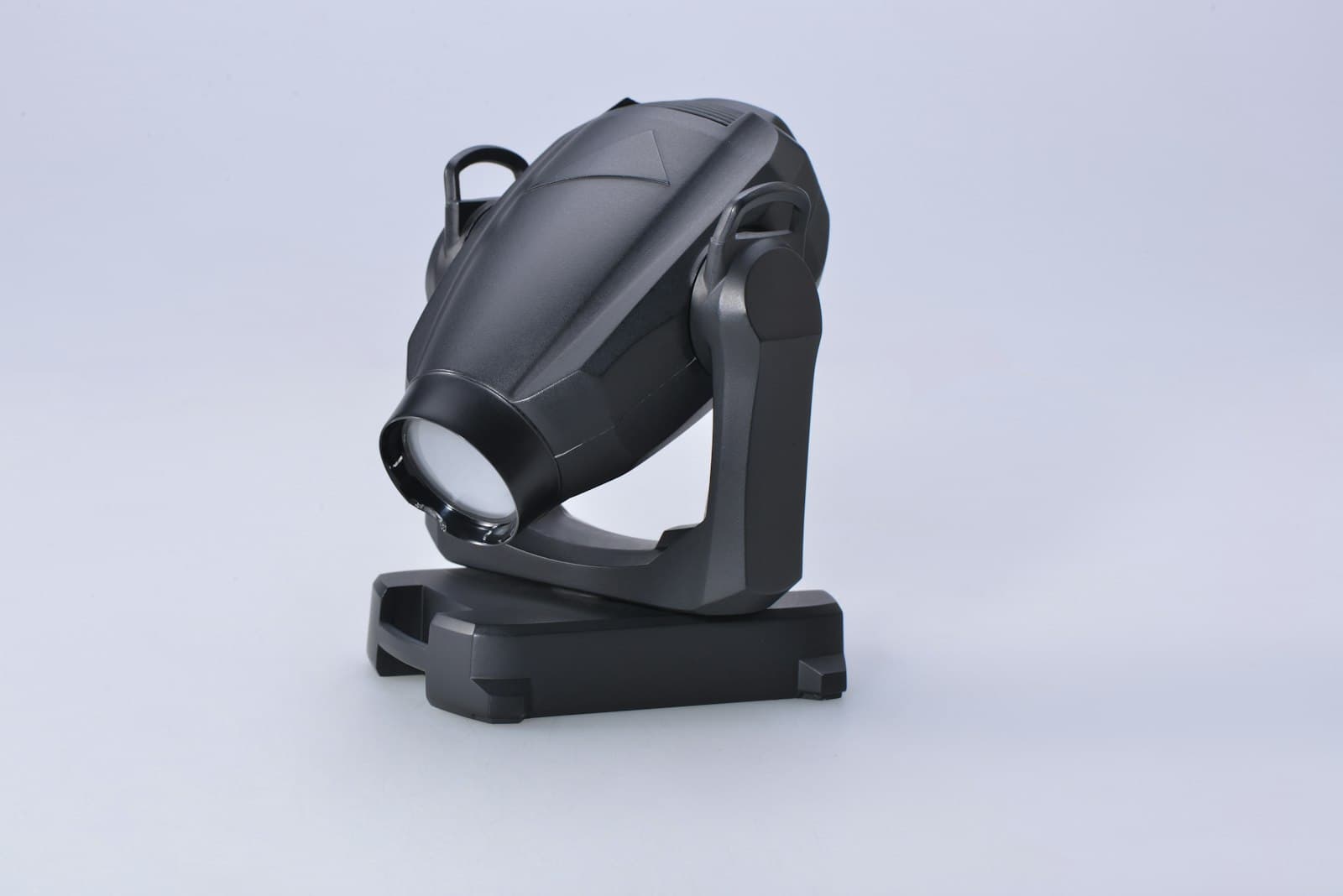
A black moulded plastic lamp housing on its base
Lighting and product shells

From part to mould

How your mould is made

  1. 1

    Send the part and the press

    Send a 3D file, a drawing, a sketch or a sample, with the plastic, the number of parts you need, and the make and model of the press the mould will run in.

  2. 2

    We check it and quote

    We check the part for moulding, suggest any changes, and quote the mould with its price and lead time. Nothing is cut until you approve the design.

  3. 3

    Design and machine the mould

    The mould is designed around your part, its toolpaths simulated with a collision check, and the cavity, core, runners and pin holes cut from solid.

  4. 4

    Check, finish and deliver

    The mould is deburred, polished or textured, assembled and checked against the model, then posted across the UK or abroad, or collected from the studio.

Injection or silicone?

Thousands of parts, or a few dozen.

Both make identical copies from one tool, and we make both. An injection mould is machined from metal and filled with molten plastic by a press; a silicone mould is poured around a master and filled with casting resin by hand. How many parts you need decides which.

Three questions, one recommendation

Question 1 of 3

How many parts do you need?

Silicone mould

Best for
A handful to a few dozen castings
Materials
Epoxy, polyurethane and other casting resins
The tool
Silicone poured around a master
Each part
Cast by hand, at a higher cost
Choose it when
You need a few, or a casting resin
Explore silicone moulds ↗

A few useful answers

Before we get started

What is an injection mould?

A metal tool, usually in two halves, with the shape of your part cut into it. An injection moulding press clamps the halves together, forces molten plastic in through the sprue and runners, lets it cool, then opens and pushes the part out. The same mould makes the same part every time, often in under a minute.

How many parts will an aluminium mould make?

It depends on the plastic, the shape of the part and how the mould is run. In unfilled plastics such as polypropylene, polyethylene, ABS and TPE, an aluminium mould usually lasts from a few thousand to tens of thousands of shots. Glass-filled and other abrasive plastics wear it faster. Tell us how many parts you need, and we design the mould for it, or suggest steel inserts for a longer run.

Which plastics can the mould run?

Most thermoplastics: polypropylene (PP), polyethylene (PE), polystyrene, ABS, nylon, acetal (POM), polycarbonate, PETG and TPE. Tell us the exact grade, because each shrinks by its own amount as it cools, and we size the cavity to allow for it. Very hot plastics such as PEEK, and heavily glass-filled grades, need a conversation first.

Will the mould fit my benchtop press?

Yes, if you send its make and model, or its platen size, largest mould size, clamping method, nozzle radius and shot volume. We size the mould to fit, seat the sprue against your nozzle, and check that the part and its runners stay within what the press can inject in one shot.

Can you make inserts for my moulder's mould base?

Yes. Send the drawing of the pocket in their mould base or master frame, or the frame itself, and we machine cavity and core inserts to fit it, with the ejector pin holes and water lines where their tool needs them.

What is the largest mould you can make?

Mould plates up to 400 × 265 mm and 180 mm tall, machined in one setup. That covers most moulds for benchtop presses and inserts for standard mould bases. A larger part can sometimes be moulded from an insert set in a bigger base, or split into pieces that fit together. Send the dimensions and we will tell you what is possible.

How precise are your moulds?

Cavities and cores are machined to ±0.05 mm as standard, and shut-offs, pin holes and insert pockets to ±0.02 mm when you name them on a drawing and we agree it in the quote. The machine repeats its position to ±0.01 mm. Plastic shrinks as it cools, so tell us the dimensions that matter on the finished part, and we allow for your plastic's shrinkage in the mould.

Can my part have undercuts, threads or snap fits?

Often, with a small change to the part or the mould. A snap fit can usually be designed to release straight out of the mould. An undercut on the outside needs a side action, and one on the inside a lifter or a loose core, each of which adds to the cost. An external thread can be split along the parting line. Send the part and we will suggest the simplest way to mould it.

Can you put lettering or a logo on the part?

Yes. Lettering, logos, part numbers, recycling marks and date marks are cut into the cavity, mirrored so they read the right way on the part, and can stand proud or sit recessed. Lettering reads best at 2 mm tall or more, in a clean sans-serif.

Do you mould the parts as well?

We make the mould; you or your moulder run it in your own press. If you have neither, say so in your enquiry: for a handful to a few dozen parts, silicone moulding and resin casting, which we do in the studio, is often the better route, and we can quote both.

Should I choose an injection mould or silicone casting?

Choose an injection mould for hundreds or thousands of identical parts in a thermoplastic, when the cost of each part matters more than the cost of the tool. Choose silicone moulding and resin casting for a handful to a few dozen parts, or when the parts should be cast in epoxy or polyurethane resin.

How much does a mould cost, and how long does it take?

It depends on the size and shape of the part, the number of cavities, any side actions, the finish and the tolerances. An aluminium mould costs a fraction of hardened steel production tooling and is ready in a fraction of the time. Send your part and we quote the price and the lead time together before any work starts.

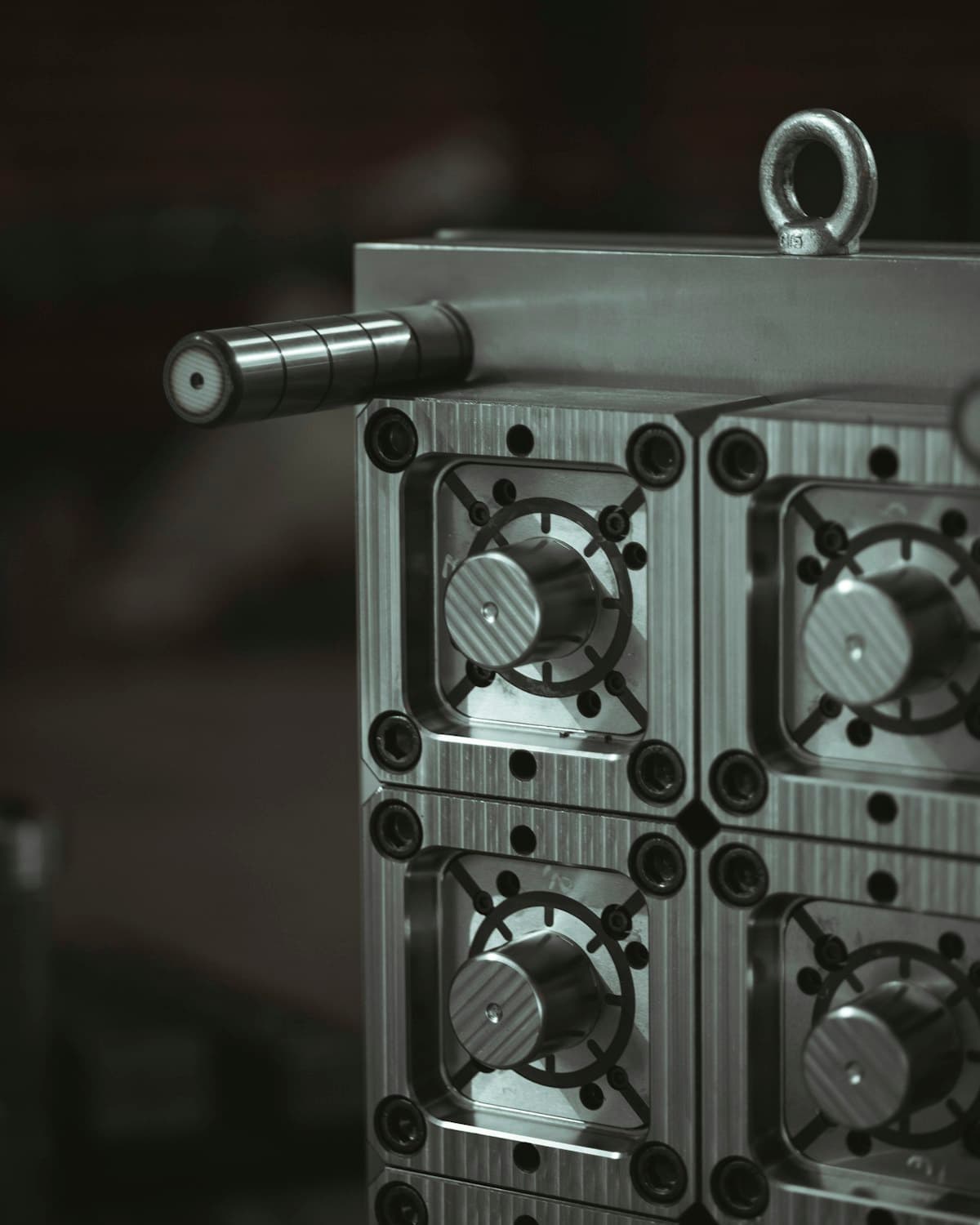
Some photographs are from Unsplash, by hosein fayton, mastars MT, Mastars and Defrino Maasy.