Skip to content

Made around your project

One original. As many copies as you need.

Turn an original object or digital model into repeatable cast pieces. Stranger Hands can develop and 3D print the master, prepare its surface, make a silicone mould and cast copies in an agreed material. Bubble control is part of the process, with the mould design and casting approach chosen for the resin, geometry and finish you need.

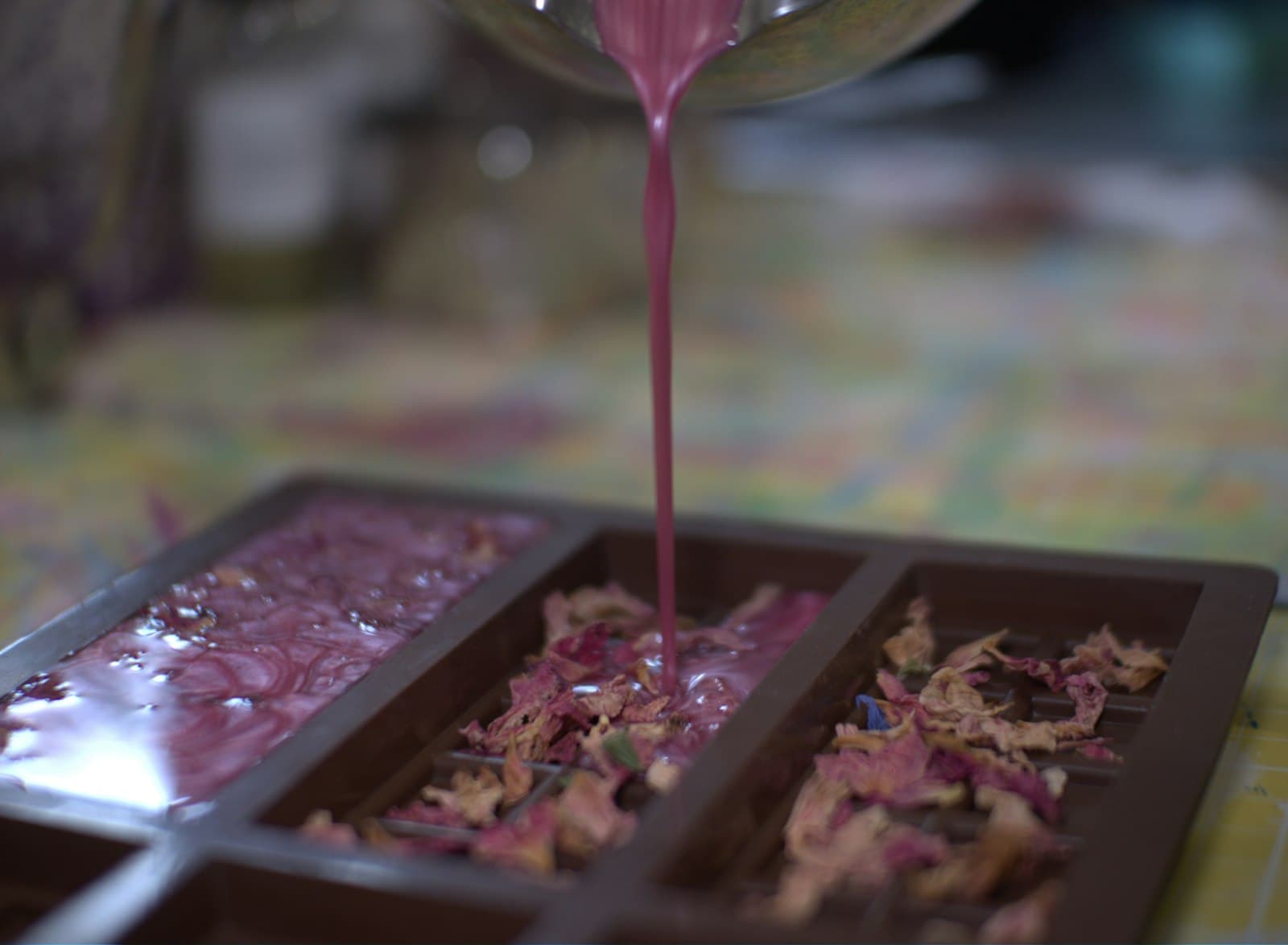
A pink mixture being poured into a mould

What we can help with

From master to finished casting.

  1. 01

    A master made for moulding

    We can print and finish a master from your 3D model, or discuss how to prepare an existing object for silicone mould making.

  2. 02

    Silicone moulds for your geometry

    Mould splits, registration, pouring points and vents are considered around the shape and the planned casting material.

  3. 03

    Clean, bubble-controlled castings

    Epoxy, polyurethane (PU) resin and other compatible materials can be discussed. We agree the surface standard and use an appropriate casting process to minimise trapped air.

What casting makes possible

Repeatable pieces, in the material you need.

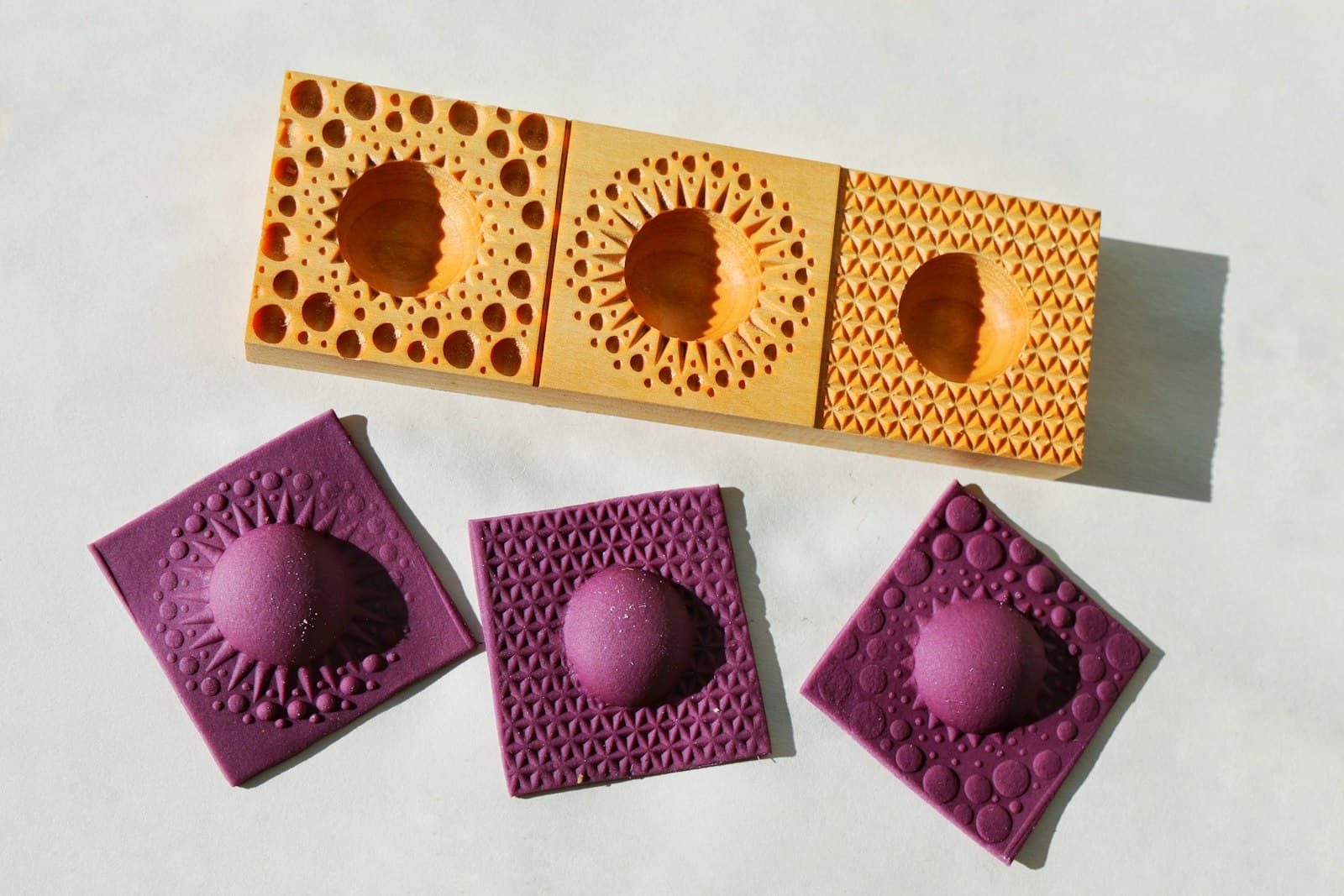
3D-printed moulds and the pieces cast from them
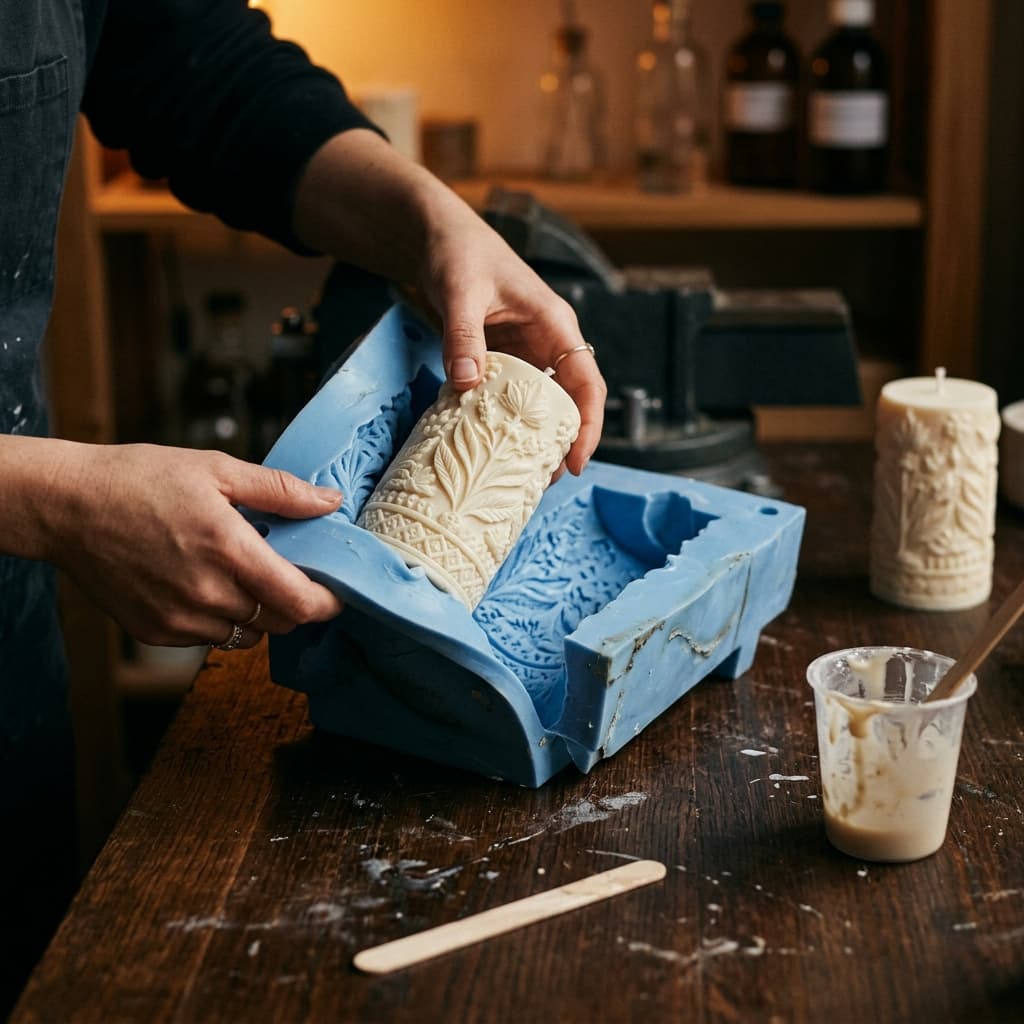
Moulds and the pieces cast from them
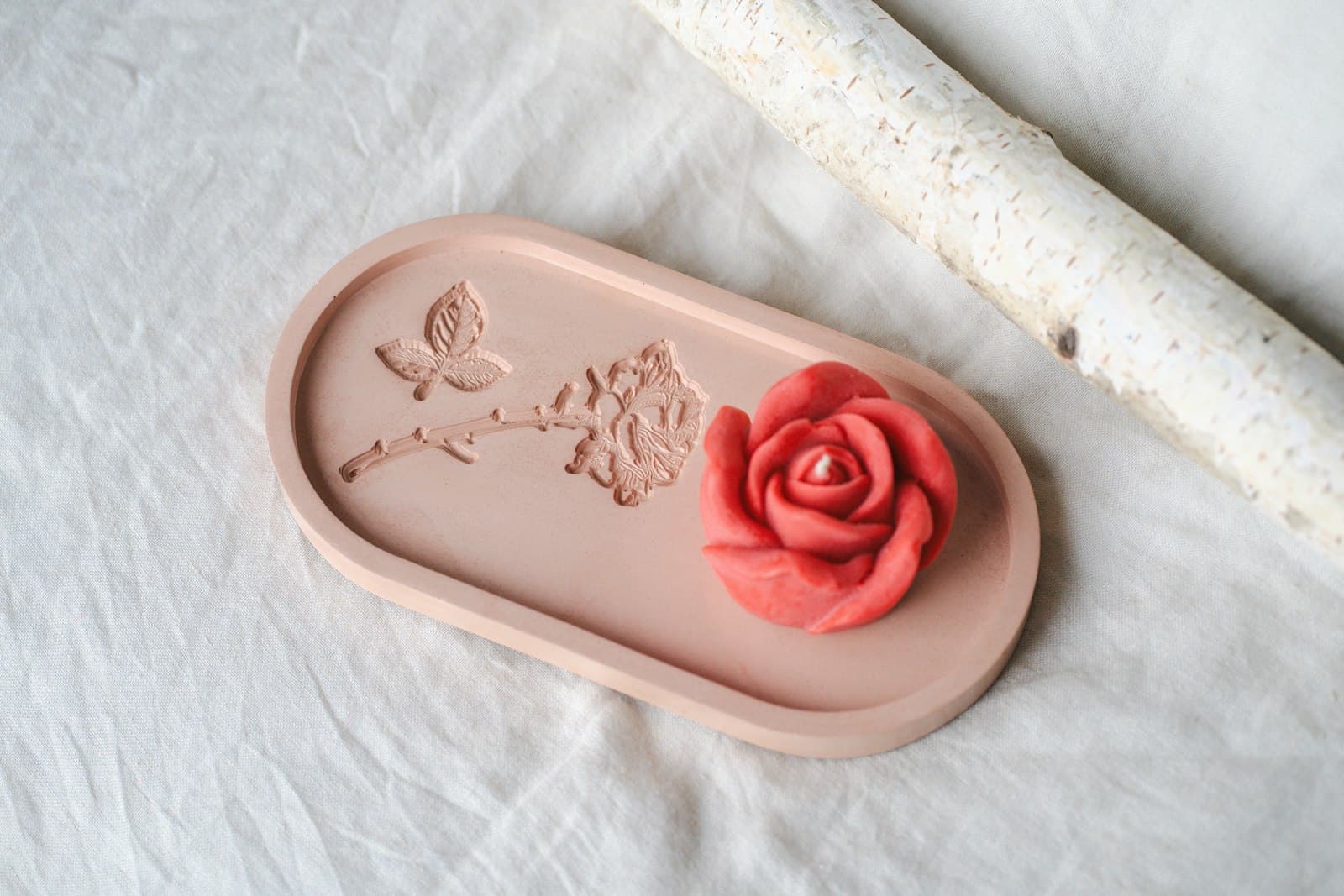
A cast rose on a cast decorative tray
Decorative castings
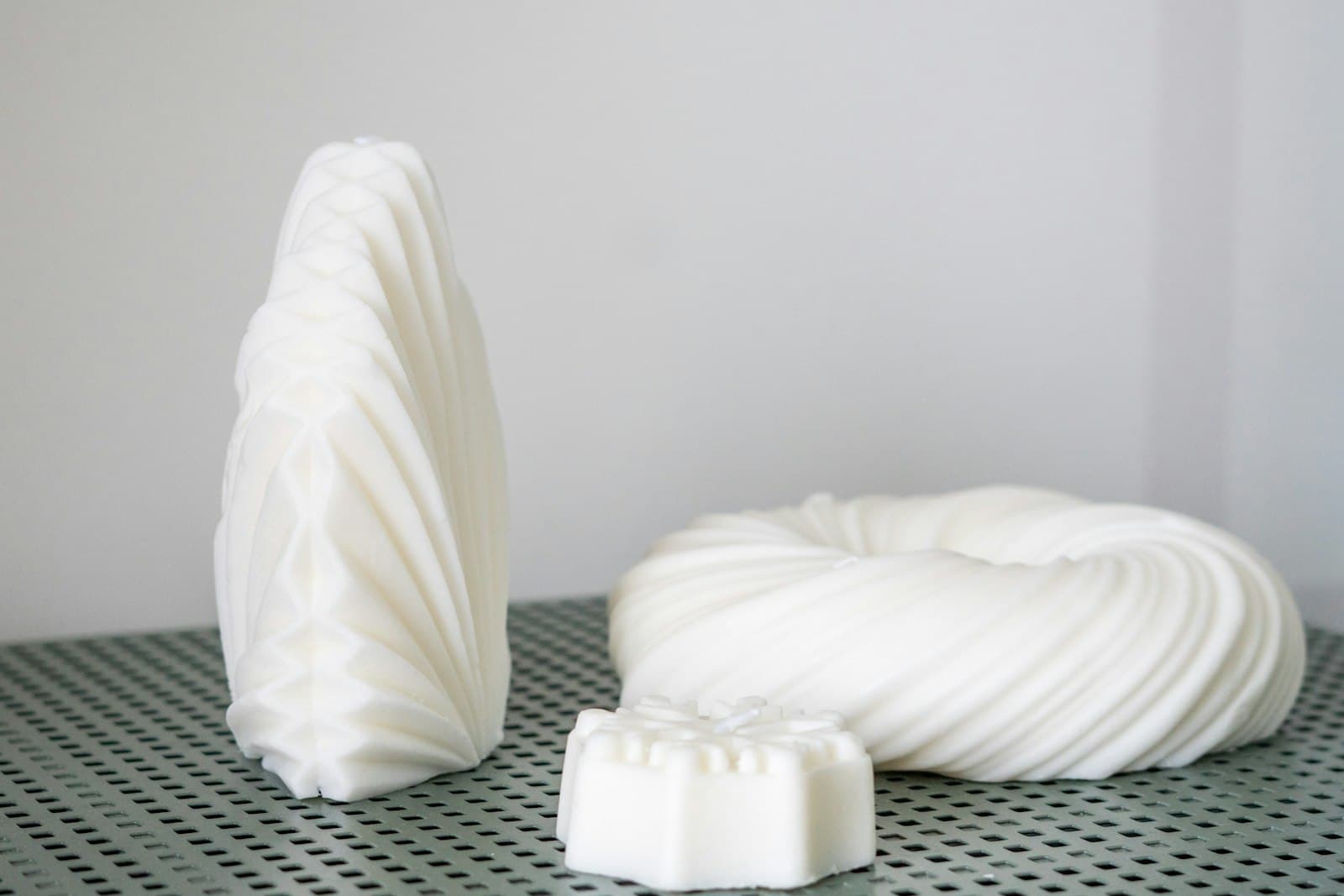
White cast sculptural pieces on a table
Repeat forms
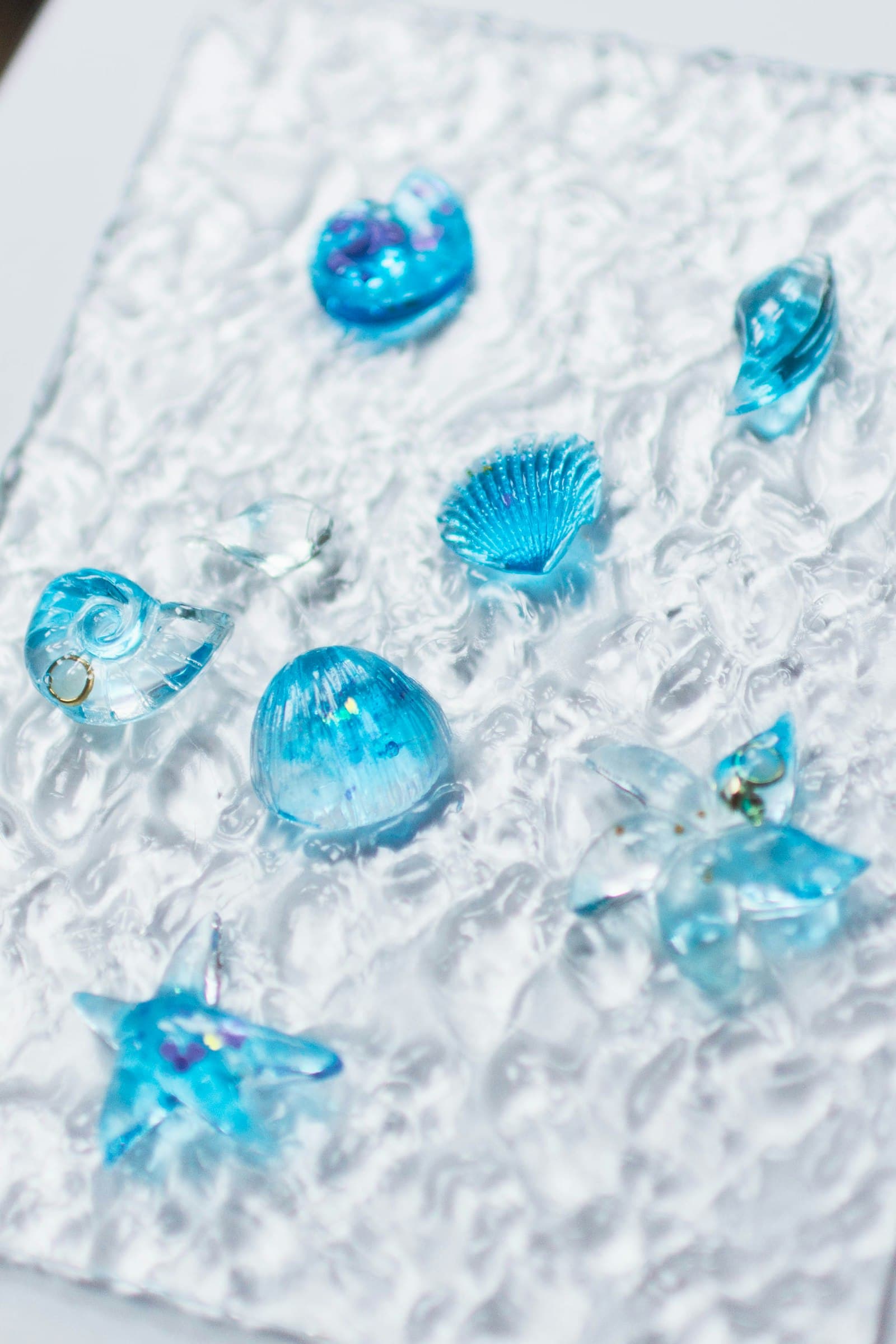
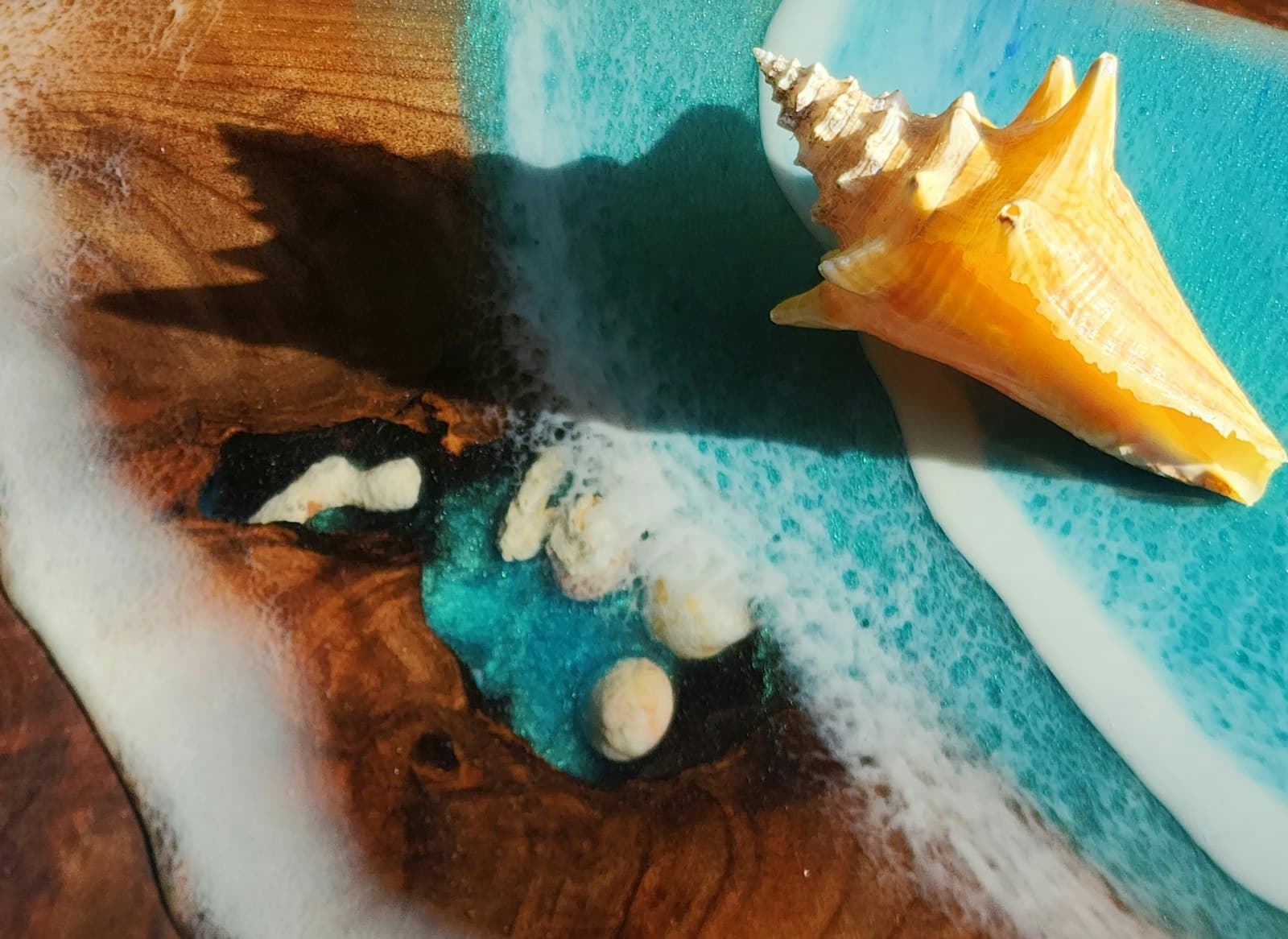
A shell resting on a wave-like epoxy surface
Clear and coloured epoxy
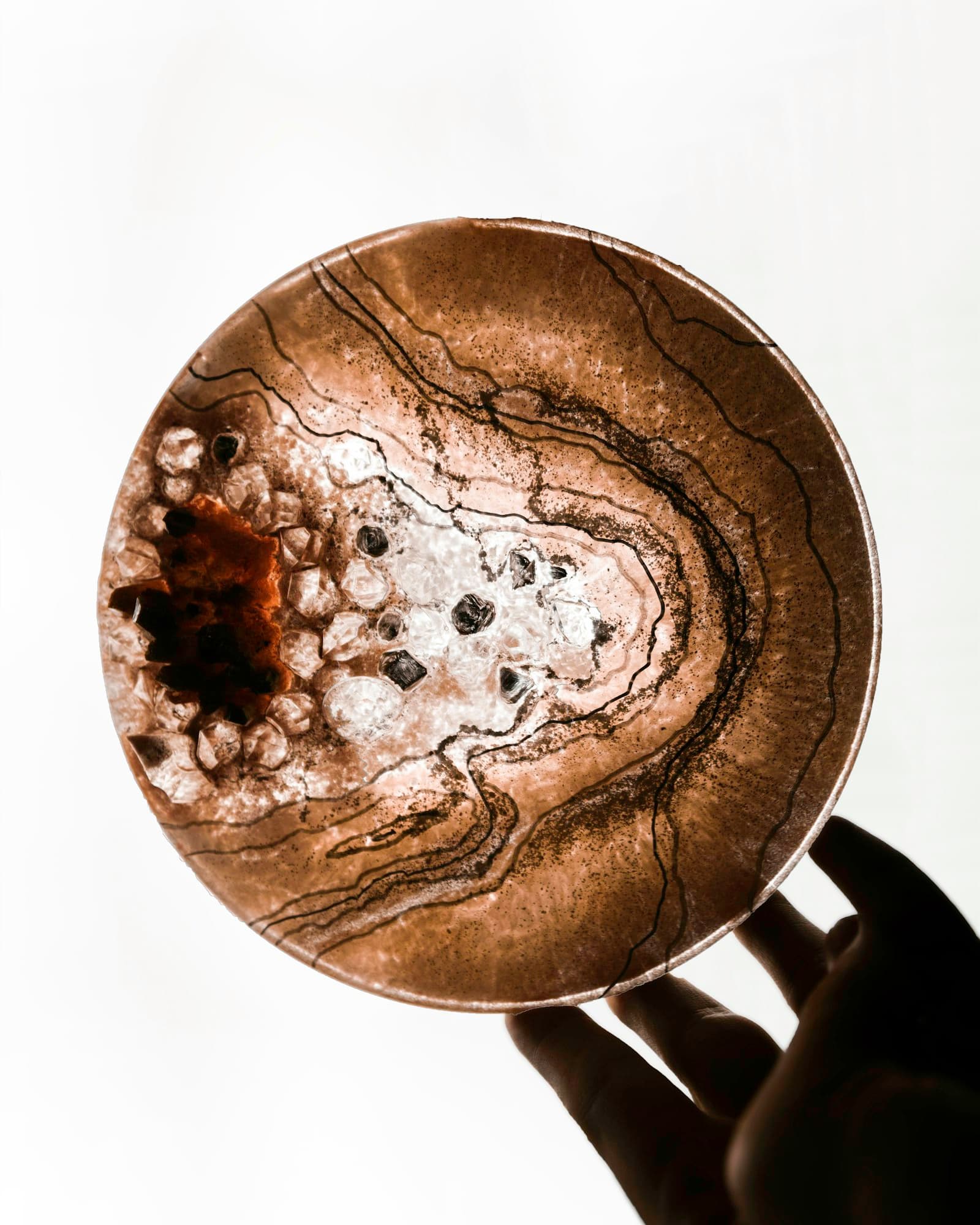
A pigmented resin disc held up to the light
Pigmented resin
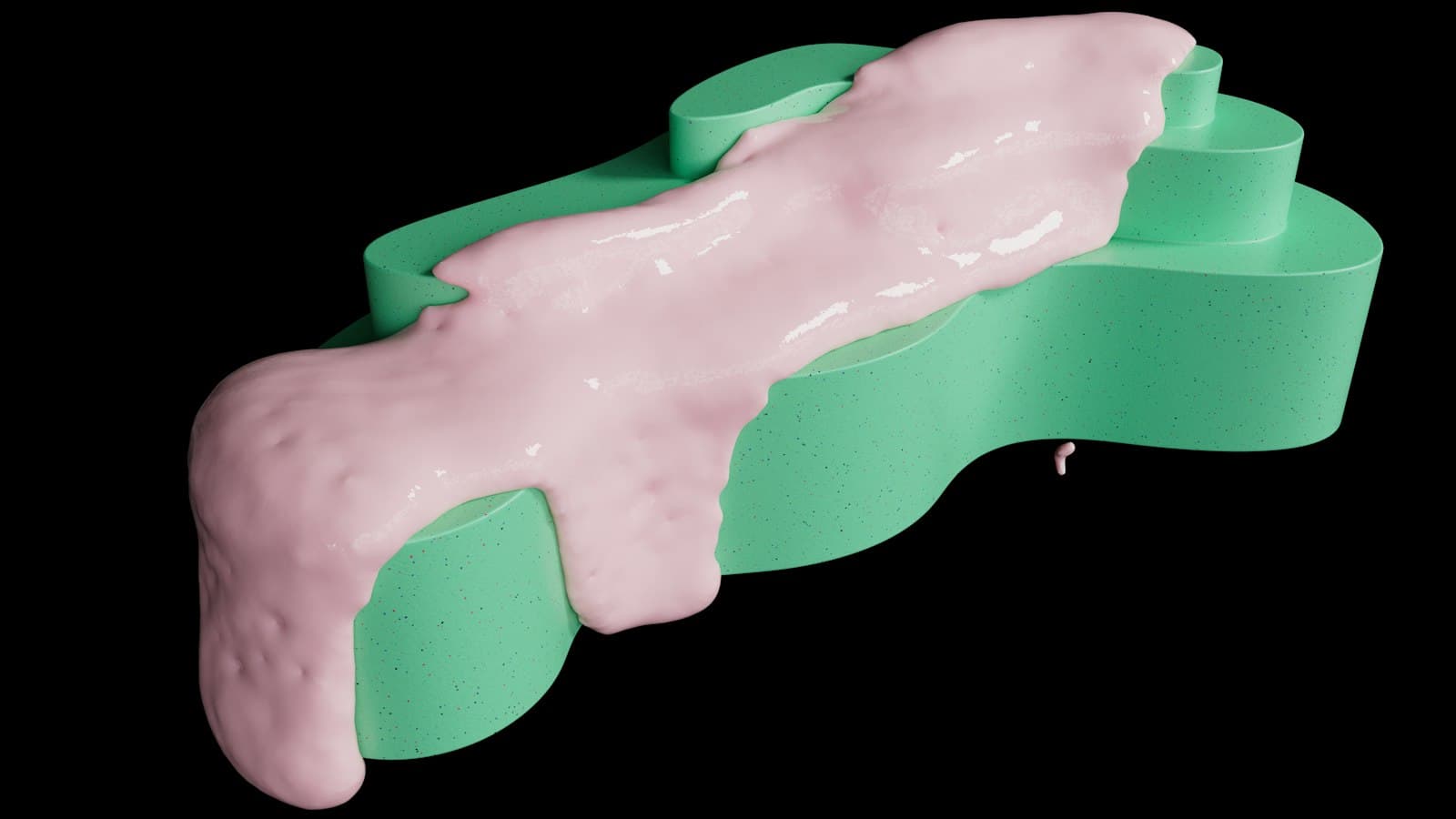
A pink pour running over a green form
Pouring over a form

From idea to delivery

How your castings take shape

  1. 1

    Define the finished part

    Share the design, size, number of copies, material requirements and preferred finish.

  2. 2

    Prepare master and mould

    We agree the master preparation and silicone tooling needed for the job.

  3. 3

    Cast and inspect

    The chosen material is cast and the pieces checked against the agreed finish requirements.

Print it or cast it?

When a mould makes sense.

For one piece, printing is usually the quicker route. When you need many identical copies, or a material a printer cannot use, a mould earns its place.

3D printing

Best for
One-offs, prototypes and small numbers
Materials
Printing resins and filaments
Set-up
File preparation, then straight to print
Choose it when
You need one, or a few
Explore 3D printing ↗

A few useful answers

Before we get started

Can you print the master as well as make the mould?

Yes. The project can include digital modelling, 3D printing, master finishing, silicone mould making and casting.

Can you make bubble-free resin casts?

Tell us the surface quality you need, especially for clear epoxy or detailed parts. We design for air release and use a suitable bubble-control process. The material, shape and finish standard are agreed before production; no single process guarantees every possible geometry.

Which casting materials can I request?

Epoxy and polyurethane resin are options, and other materials can be discussed. Suitability depends on your mould, geometry and intended use. Include those requirements in your enquiry.

Can you work with clients outside London?

Yes. We welcome projects across the UK and internationally. Delivery arrangements for masters, moulds and castings are confirmed with the quote.

Some photographs are from Unsplash, by sooji min, Scott Precious, Karl Hörnfeldt, Alexander von Schulz, Sebastian Schuster, Viktoriia Fedorchenko, Ionela Mat, Antonio Araujo, gretta vosper, Javier Esteban and Nigel Hoare.