Skip to content

Made around your part

Precise parts, cut from a solid block.

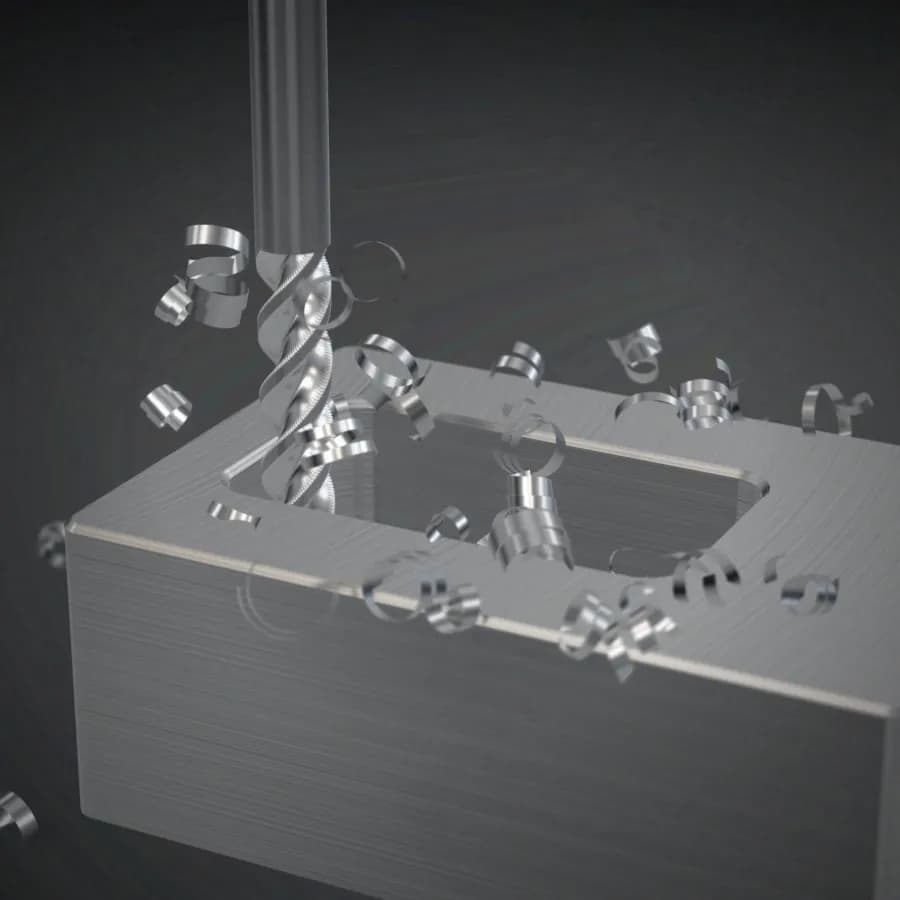
Stranger Hands machines small, precise parts in our London studio on a five-axis CNC milling machine. All five axes move at once, so the part tilts and turns under the cutter: undercuts, angled holes, curved surfaces and sculpted forms are cut in a single setup, which keeps every feature in line with the others and saves the cost of extra fixtures. We machine aluminium, brass, copper, engineering plastics such as acetal and nylon, hardwoods and jewellery wax, with stainless steel and titanium by agreement. Parts can be up to 150 × 200 × 120 mm, or about 100 mm each way when all five axes are needed. Send a STEP file, a drawing, a sketch or the broken original. We model it in CAD if there is no file, check that it can be machined, programme and simulate the toolpaths, cut it, then deburr, measure and finish it. We make one-off prototypes, replacement parts and small batches, quote every job before any work starts, and post across the UK and abroad.

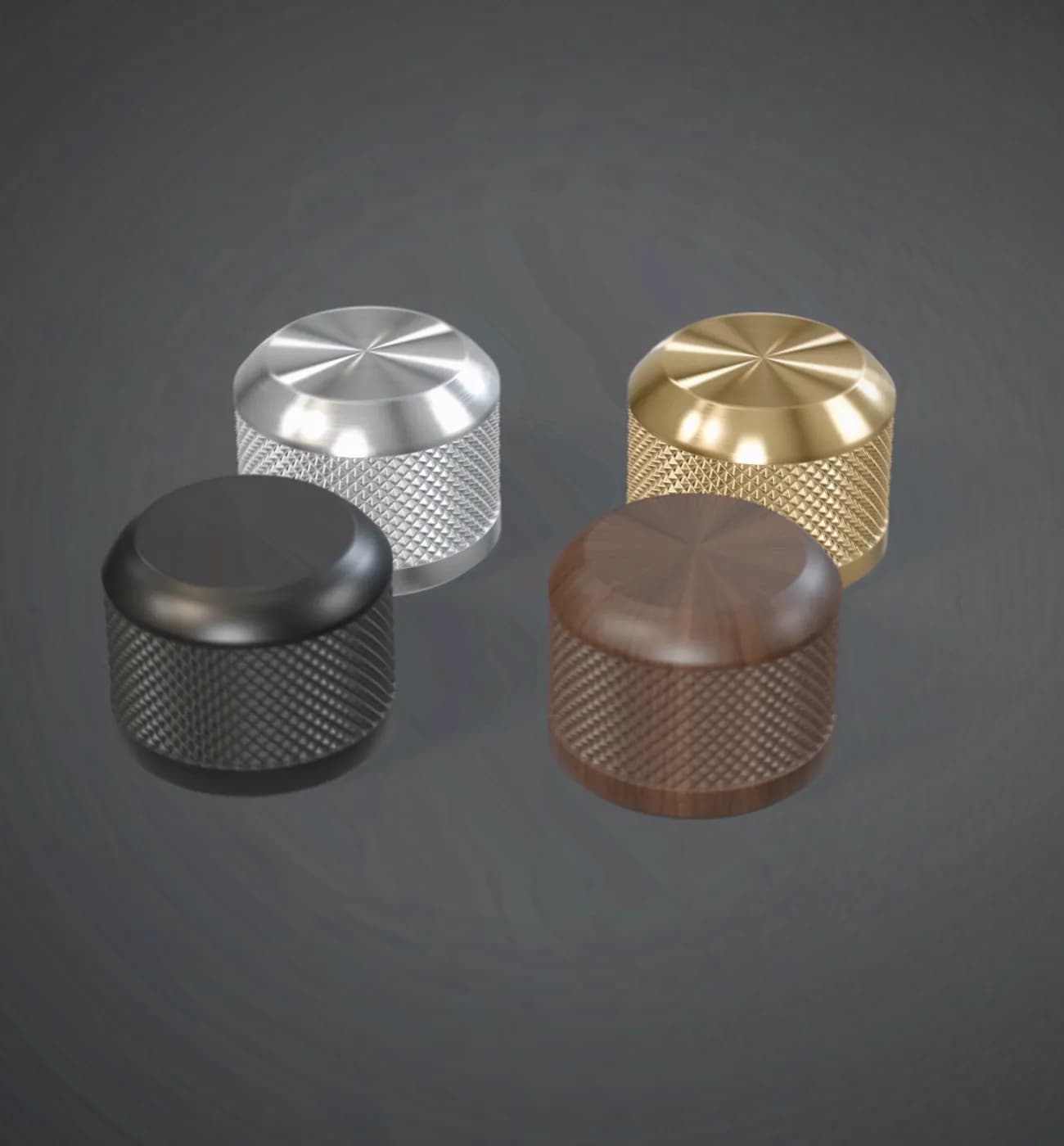
One knurled knob design machined in four materials: aluminium, brass, black acetal and walnut, side by sideOne design, four materials

What we can help with

Modelled, programmed and machined in one studio.

  1. 01

    Five axes, one setup

    Simultaneous five-axis CNC milling tilts and turns the part while the cutter moves, so undercuts, angled holes, curved faces and sculpted forms are reached without unclamping it. One setup keeps every feature where the drawing puts it, and saves the cost of extra fixtures.

  2. 02

    Metal, plastic, wood and wax

    Aluminium, brass, copper and bronze; engineering plastics such as acetal (POM), nylon, PEEK, polycarbonate and acrylic; hardwoods and machinable jewellery wax. Small parts in stainless steel and titanium by agreement. Metals are cut under a cooling mist, wood and plastics under air.

  3. 03

    Precise, and measured

    Parts are machined to ±0.1 mm as standard, and to ±0.05 mm on the features you name, agreed in the quote. The blank is measured on the machine before cutting, and the critical dimensions are checked again before the part leaves the studio.

  4. 04

    From a file, a drawing or the part itself

    Send a STEP file for engineering parts, an STL or OBJ for sculpted shapes, or a DXF or SVG for flat parts and engraving. No file? We model the part in CAD from your sketch, drawing or photos, or 3D scan the original, and you approve the model before anything is cut.

  5. 05

    Tools and fixtures made for the job

    Six cutters are loaded for each job and changed automatically, from roughing end mills to fine ball-nose, chamfer, engraving and thread-milling cutters. When a profile needs it, we order a custom form cutter, and we make soft jaws or 3D-printed nests to hold awkward shapes and repeat batches.

  6. 06

    Prototypes, one-offs and small batches

    There is no minimum order. A single prototype, a replacement for a part that is no longer made, or a short run of tens of parts. The programme is kept, so a repeat order matches the first.

  7. 07

    Finished in the studio

    Every part is deburred. It can be left as machined, brushed, polished, or primed and painted by hand in our own studio, and machined parts can be combined with 3D printed, cast or painted ones in a single project.

Sizes, tolerances and files

What fits, how precise, and what to send.

The facts most projects need before a quote. If your part is close to a limit, send it anyway: there is often a way to make it.

Preparing your file

  1. 1

    Send a STEP, not only an STL

    A STEP file keeps true circles, flat faces and exact dimensions. An STL is a mesh of triangles: right for sculpted shapes, but it only approximates holes and curves. Export at full size, in millimetres.

  2. 2

    Add a drawing for what matters

    Mark the dimensions that must fit, their tolerances, every thread and any surface that needs a fine finish on a PDF drawing. Everything else is machined to the standard ±0.1 mm.

  3. 3

    Round the inside corners

    A spinning cutter leaves a radius in every inside vertical corner. Allow at least 1 mm, more in deep pockets. If a square part has to drop into a pocket, ask for corner reliefs.

  4. 4

    Keep pockets shallow, walls thick

    Deep, narrow pockets need long, thin cutters that flex. Keep a pocket no deeper than about four times its narrowest width, and walls at least 0.8 mm thick in metal or 1.5 mm in plastic.

  5. 5

    Name the threads

    Model threaded holes plain or at tapping size, and write the thread on the drawing: M4 × 0.7, 8 mm deep. We tap or thread-mill them, metric or imperial.

  6. 6

    Make text big enough to cut

    Engraved or raised lettering reads best at 2 mm tall or more, in a clean sans-serif. Finer detail is possible with engraving cutters: tell us the smallest feature on the part.

Not sure your design is ready? Send it anyway. We check every file before quoting, and suggest small changes that make a part cheaper, stronger or quicker to make.

Send us your file ↗

What we machine

From prototypes to brass hardware.

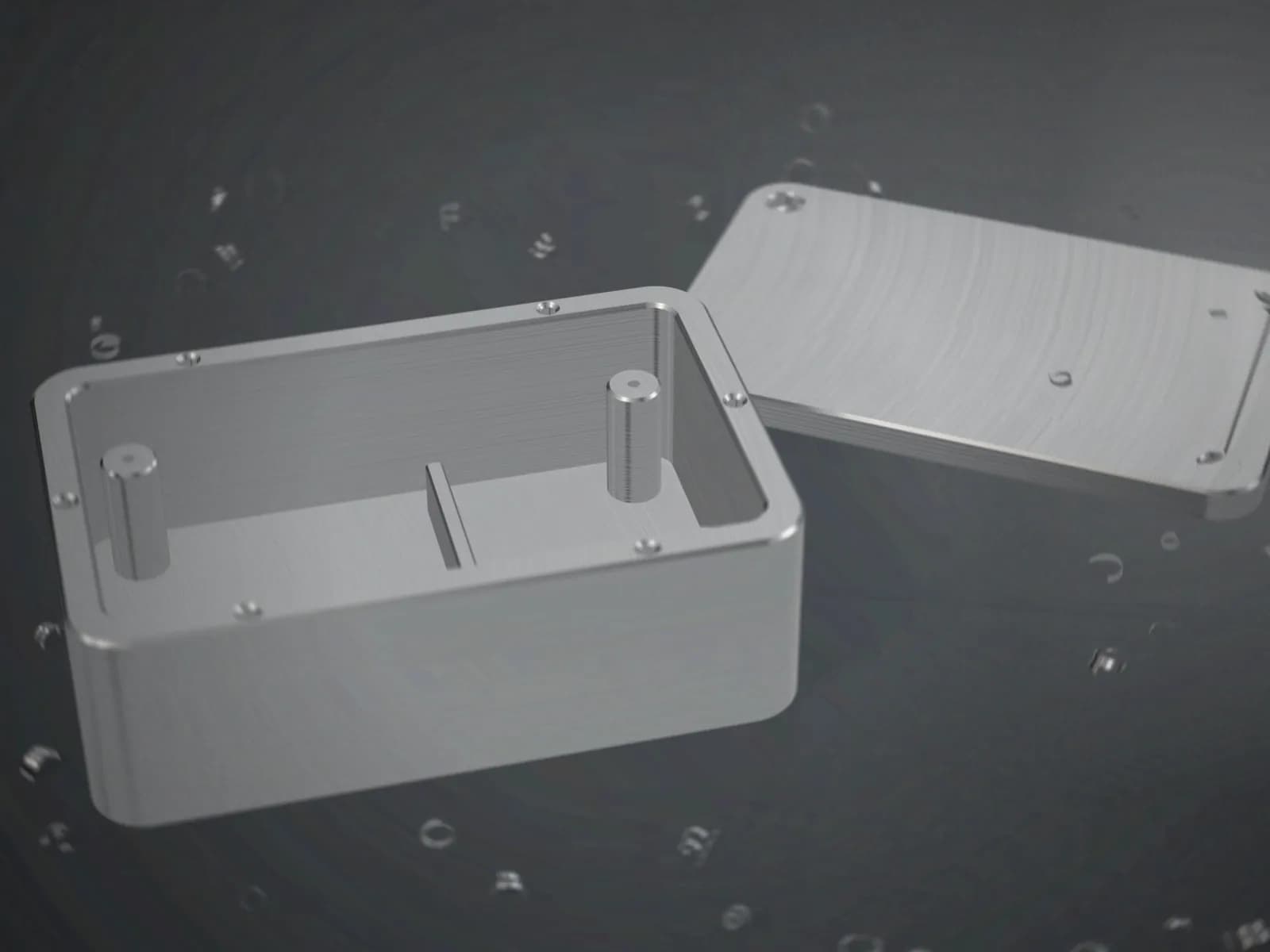
A machined aluminium enclosure with a deep pocket, mounting bosses and threaded holes, beside its lid
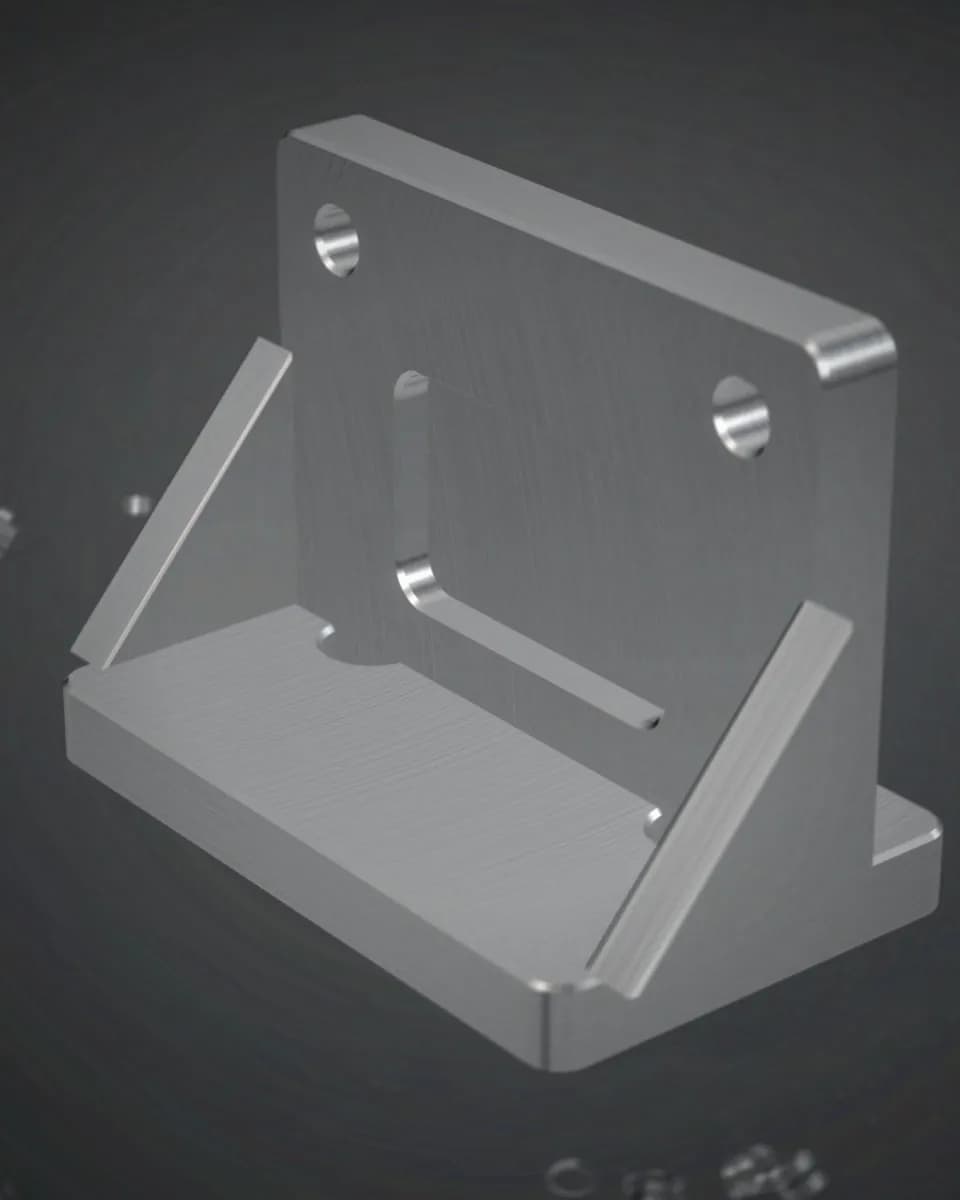
Prototype housings and brackets
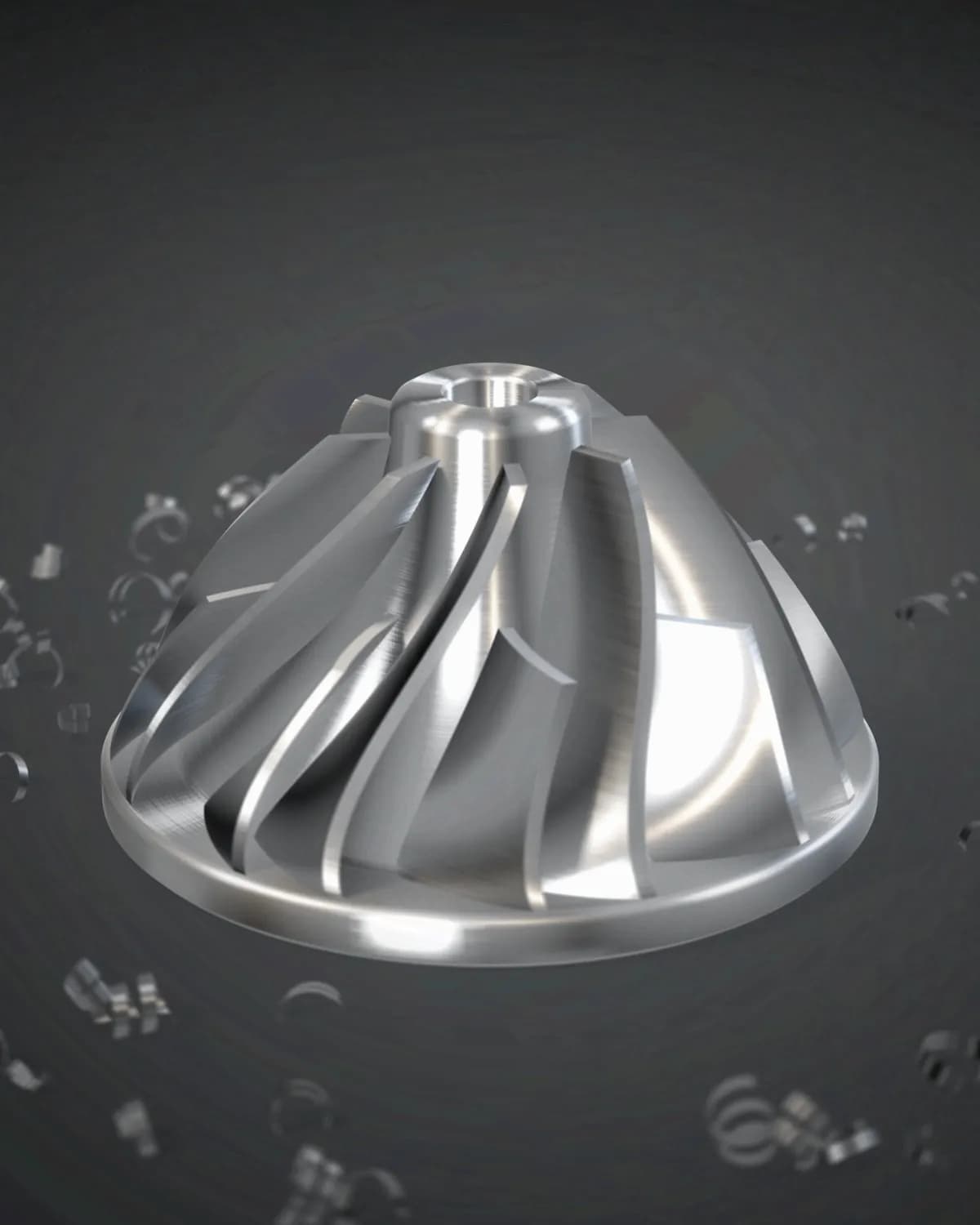
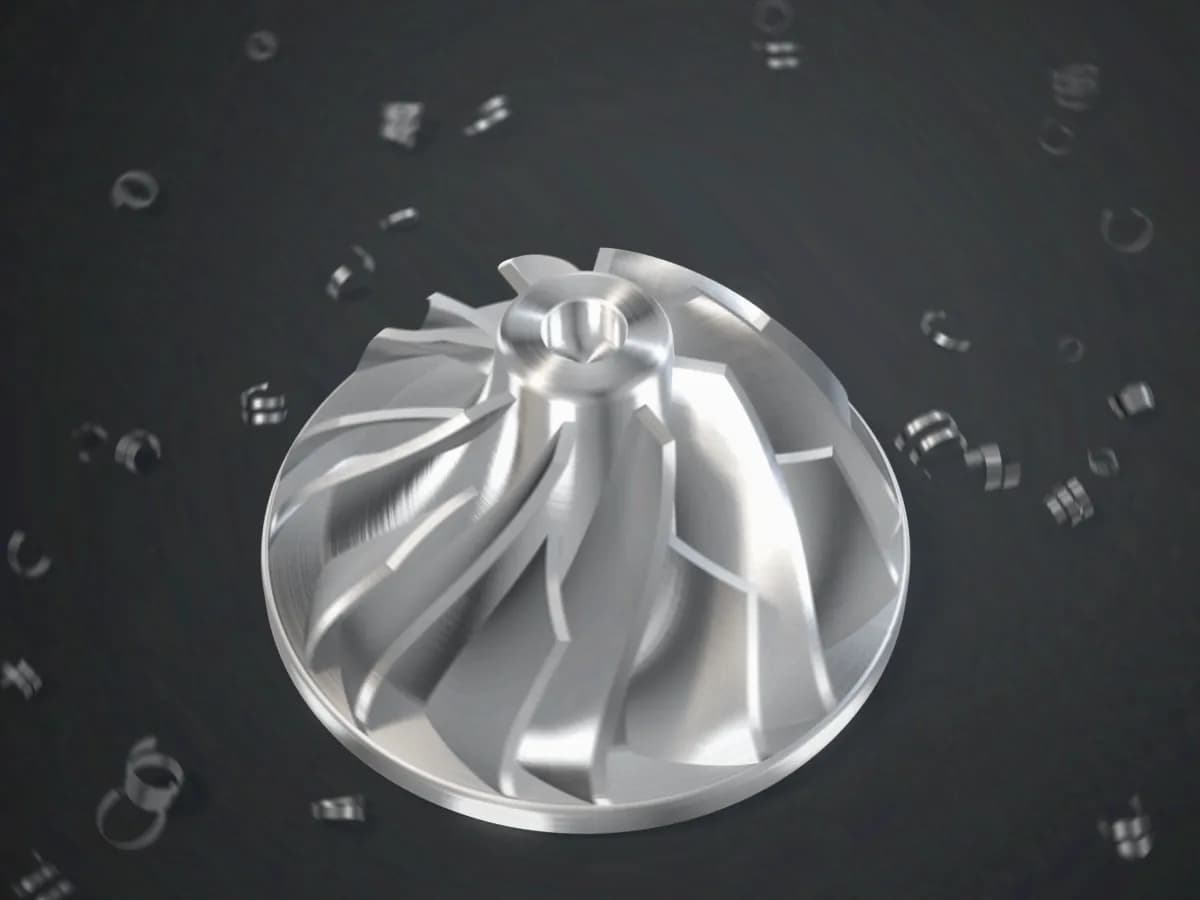
An aluminium impeller seen from above, its curved blades cut in five axes
Five-axis impellers and turbines
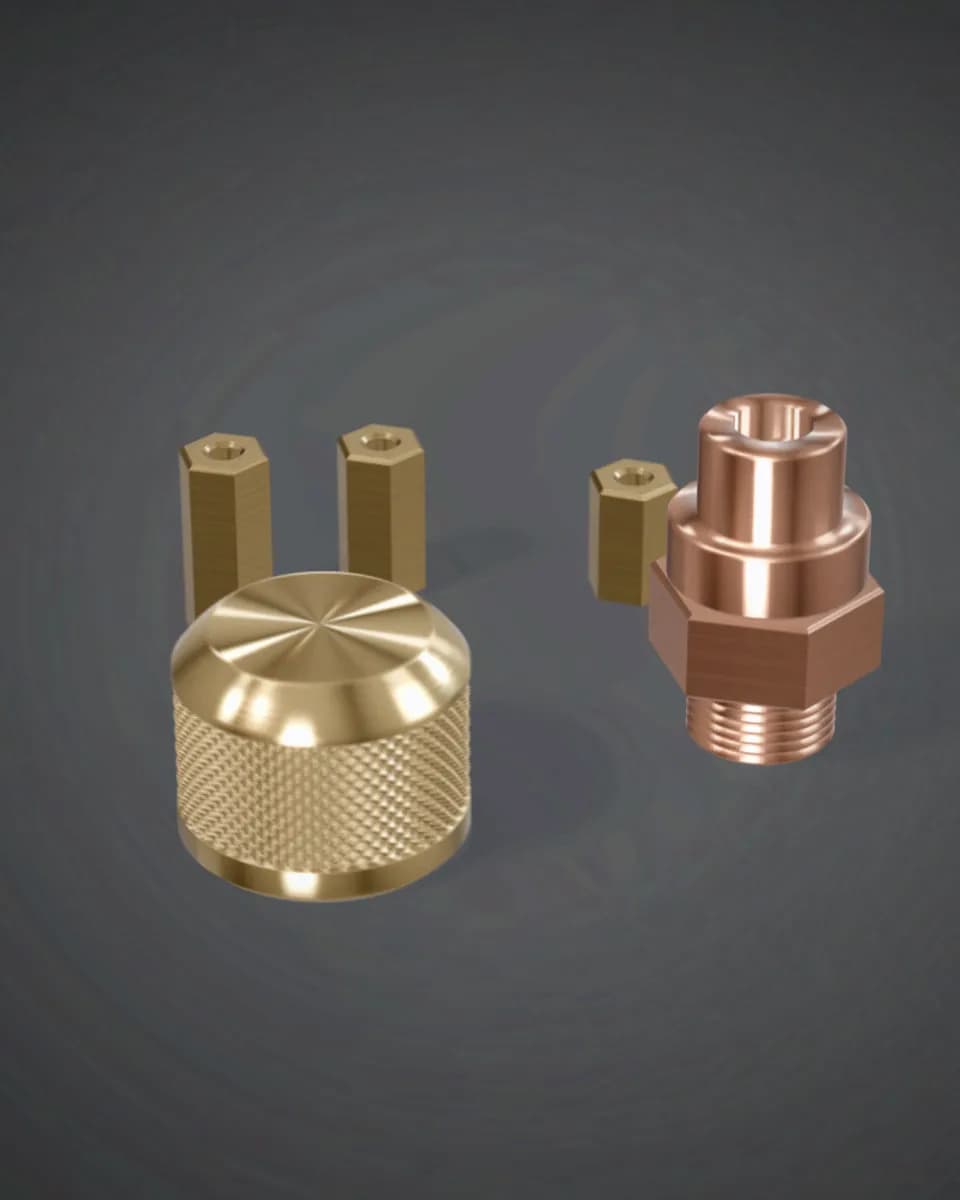
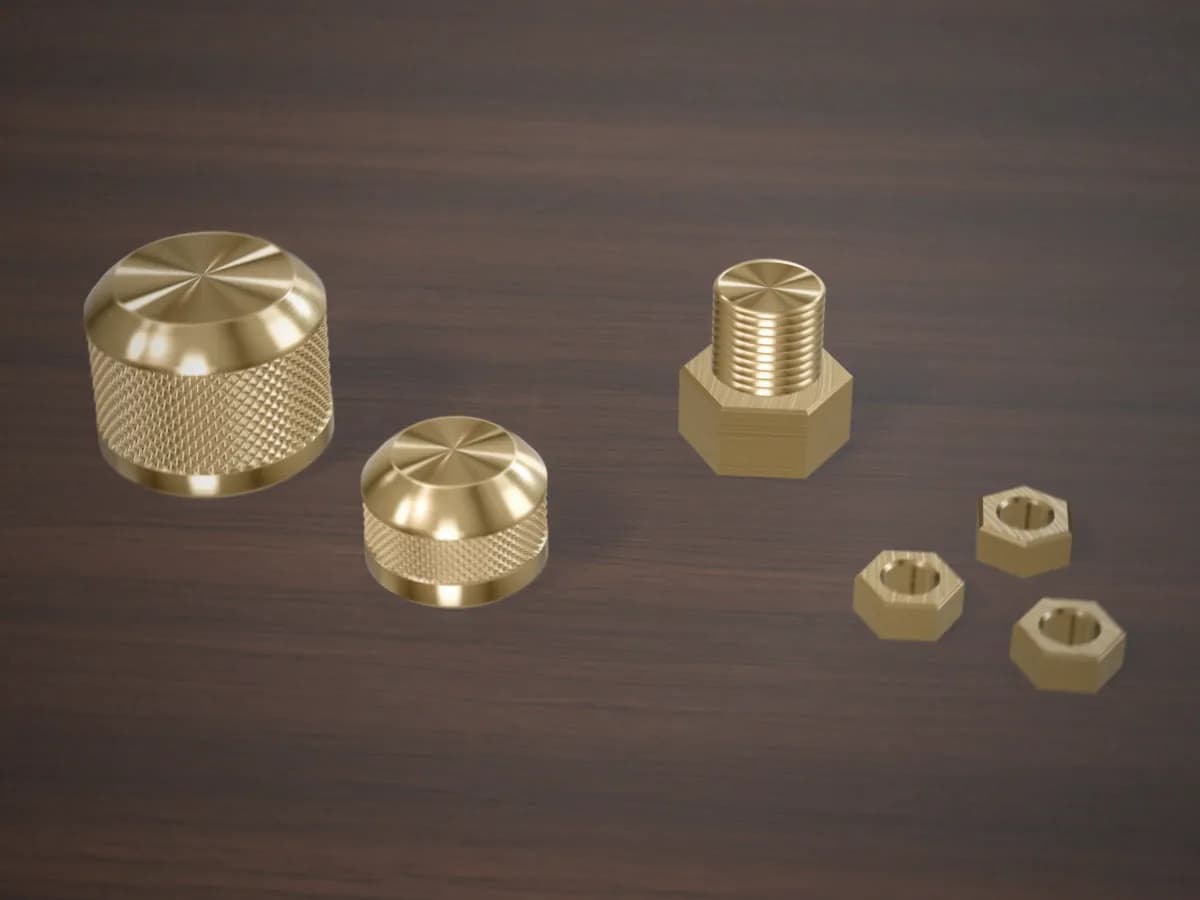
Machined brass hardware on a walnut bench: knurled knobs, hex nuts and a threaded hex fitting
Brass knobs, fittings and hardware
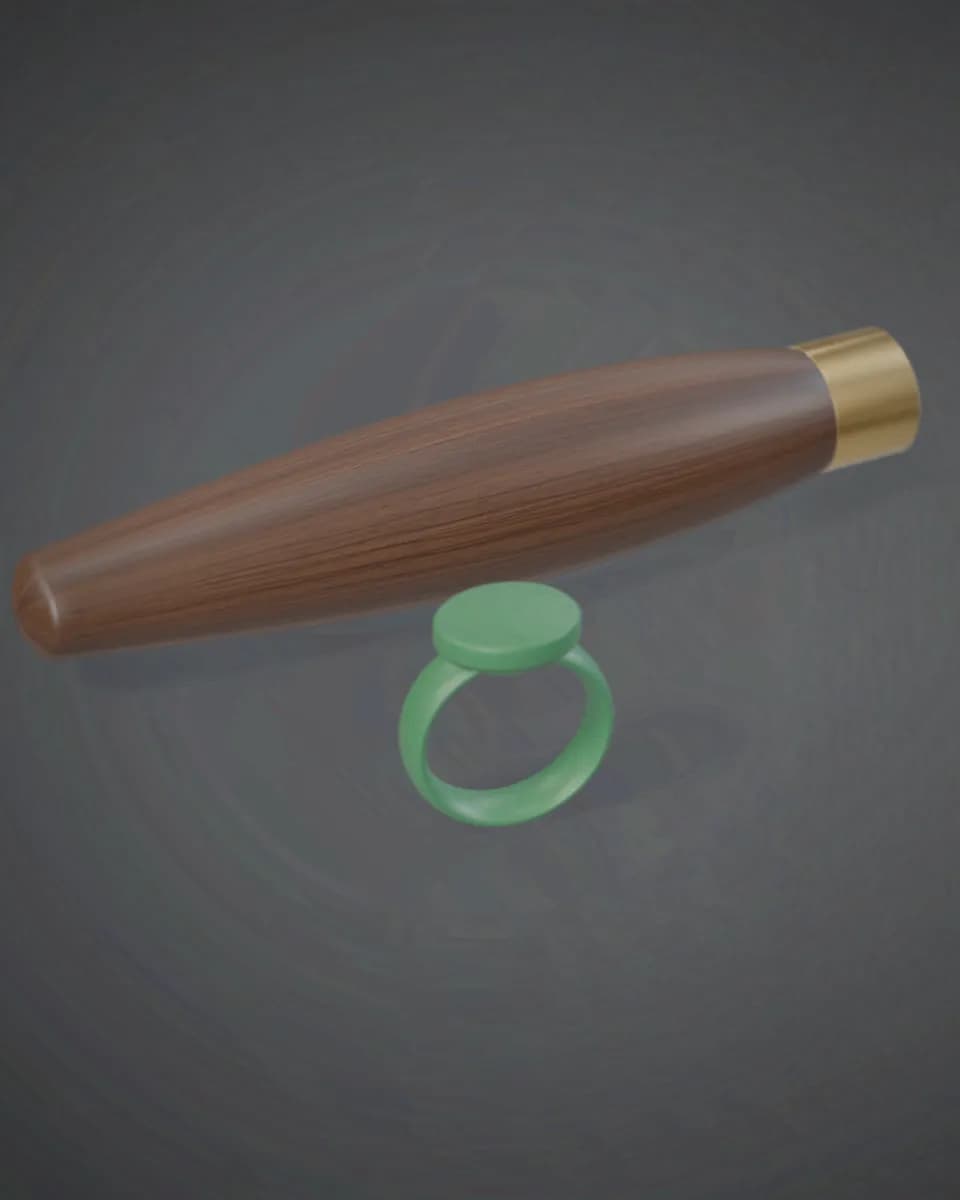
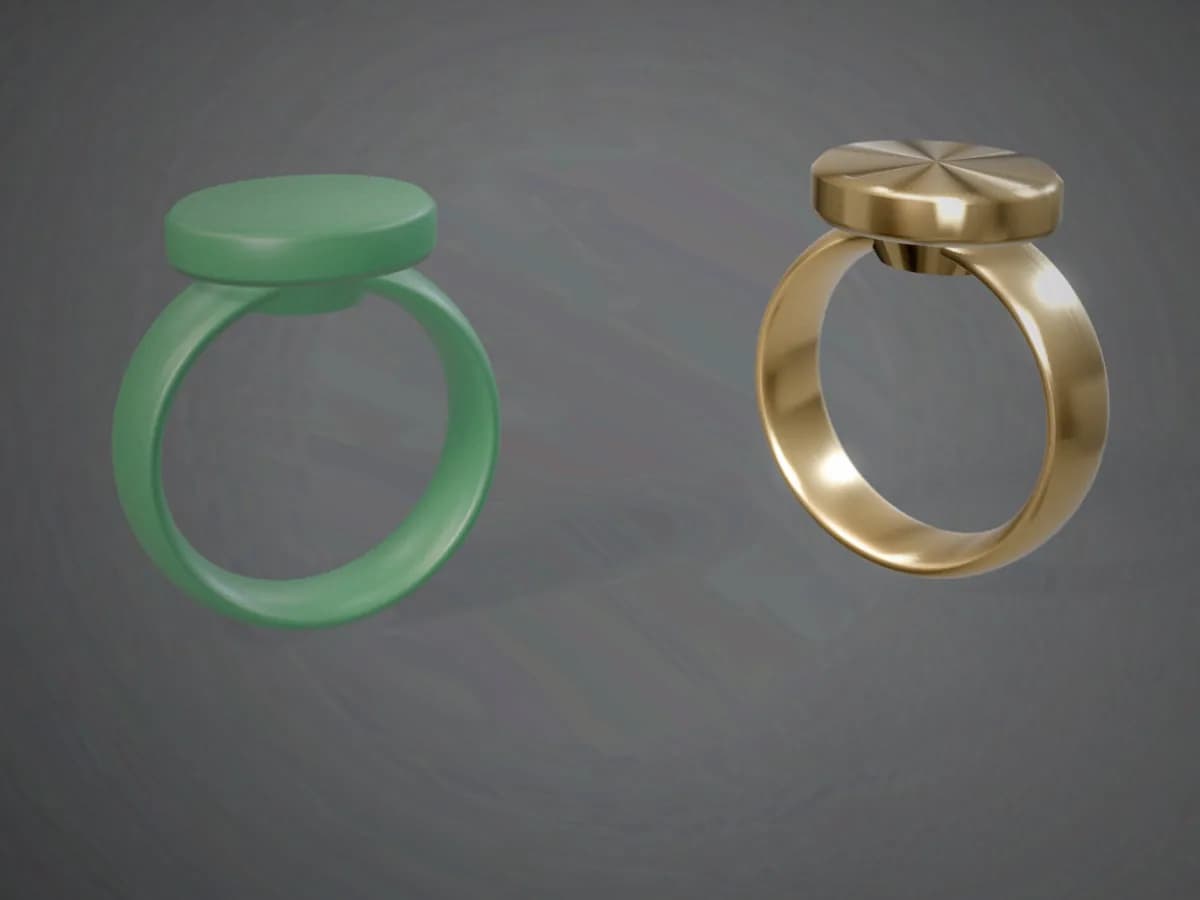
A green jewellery casting wax ring beside the polished brass ring cast from the same design
Rings and jewellery casting waxes
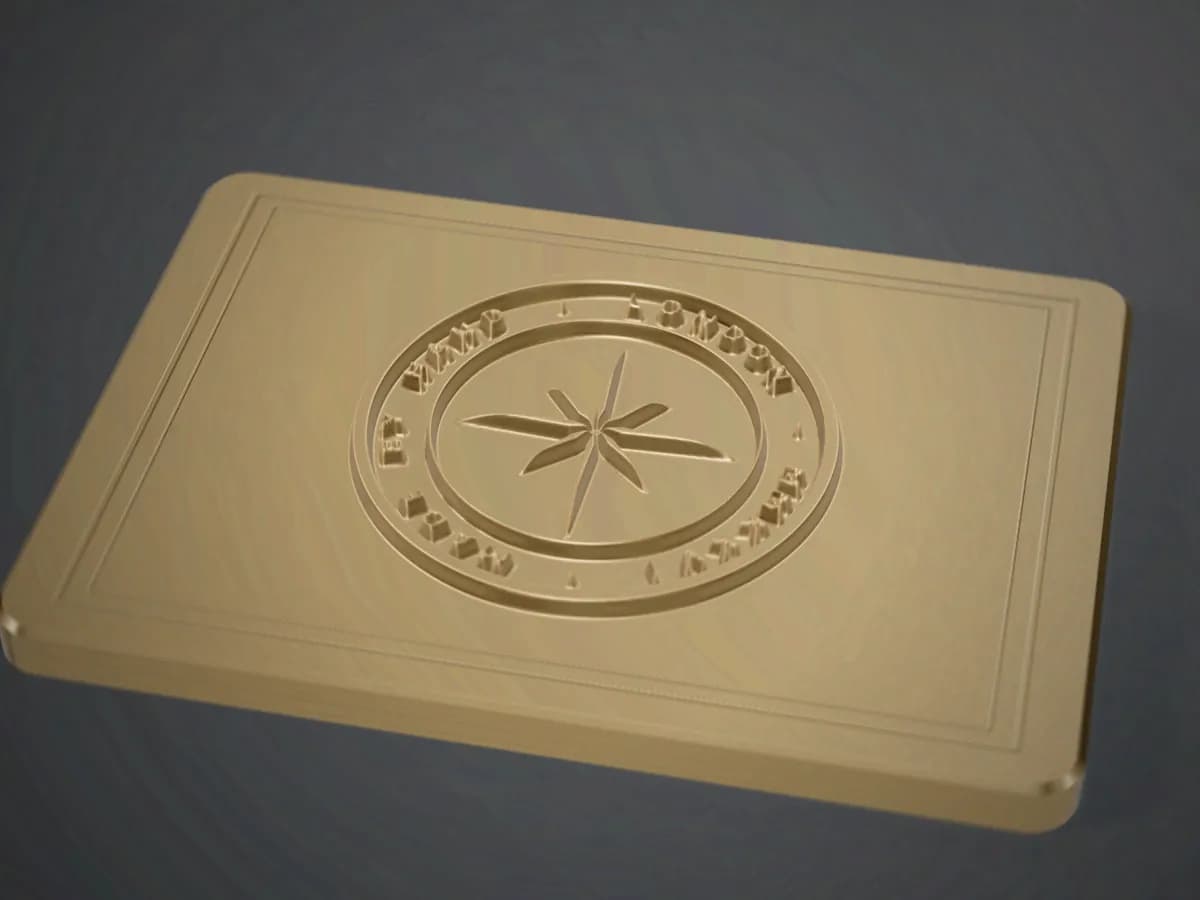
A brass plate with a raised relief medallion and engraved border, machined from solid
Engraved plates, badges and reliefs
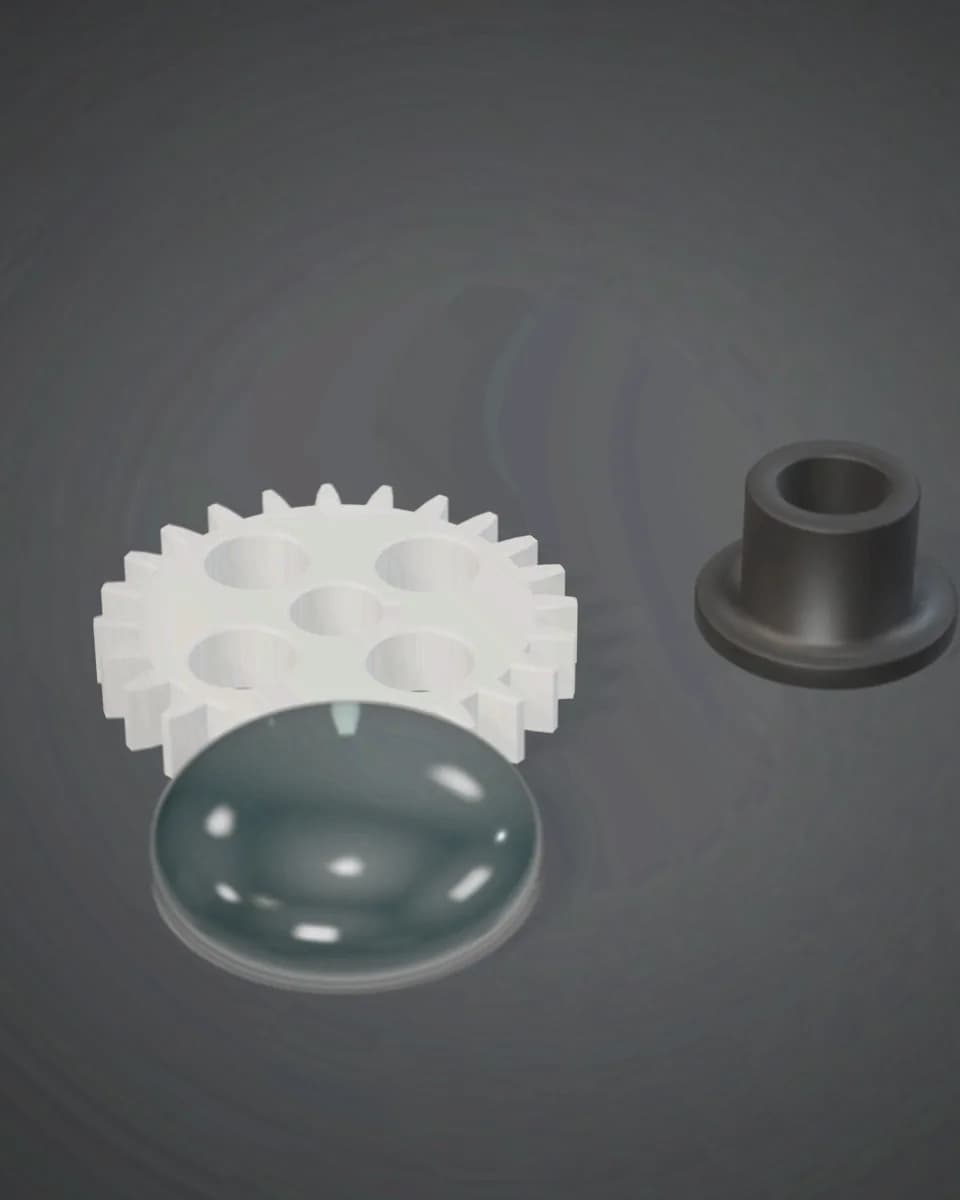
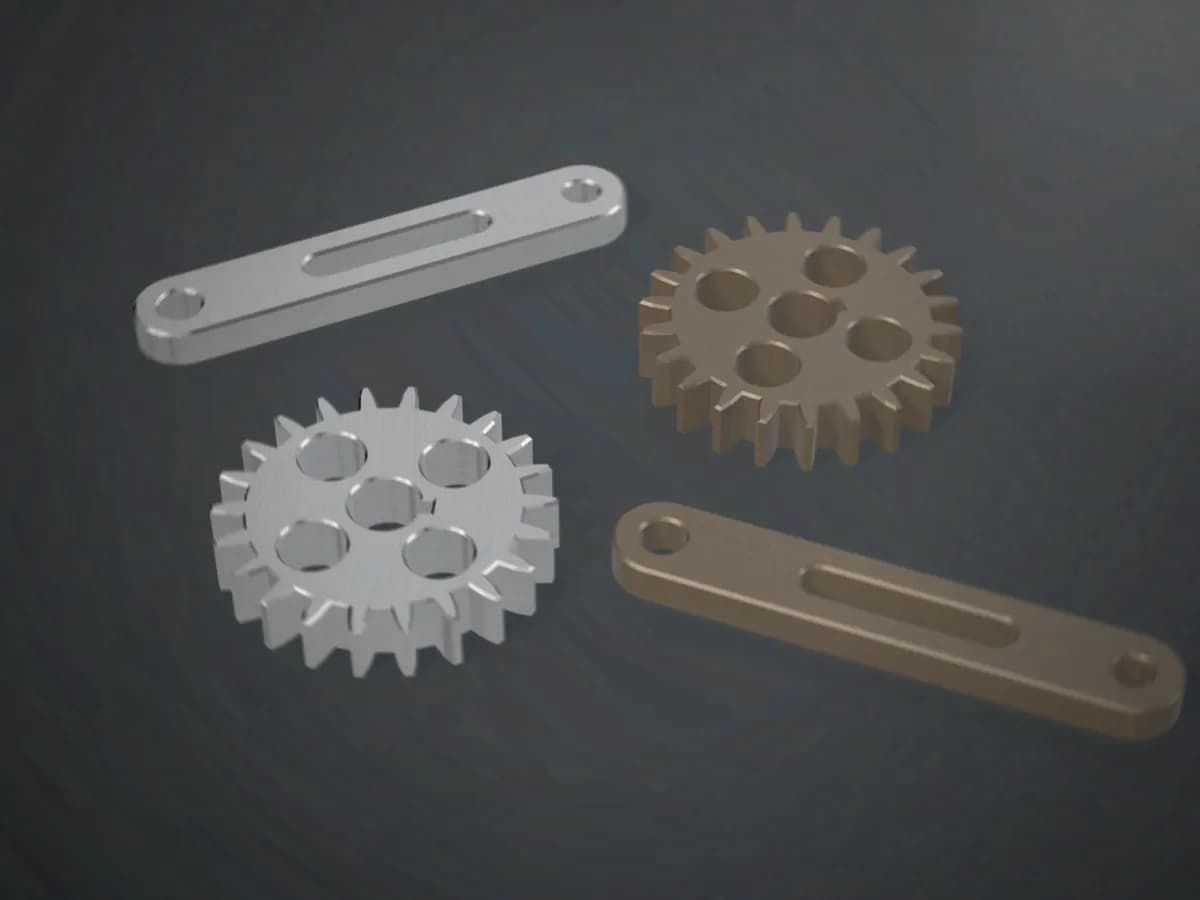
A machined aluminium replacement gear and lever beside the worn originals
Replacement parts, made again

From file to part

How your part is made

  1. 1

    Send your file or idea

    Send a 3D file, a drawing, a sketch or photos, with the material, the quantity, the dimensions that matter and the date you need it by.

  2. 2

    We check it and quote

    We check that the part can be machined, suggest any small changes that make it cheaper or stronger, and quote the price and lead time. Nothing is cut until you approve.

  3. 3

    Programme and machine

    The toolpaths are planned and simulated with a collision check, the blank is measured on the machine, and the part is cut, usually in a single setup.

  4. 4

    Check, finish and deliver

    Each part is deburred, measured and finished as agreed, then posted across the UK or abroad, or collected from the studio.

Machined or printed?

Cut from solid, or built in layers.

Both make a part from a 3D file, and we offer both. Machining cuts it from a solid block; printing builds it up layer by layer. What the part has to do decides which.

Three questions, one recommendation

Question 1 of 3

What does the part have to be made of?

3D printing

Best for
Complex, hollow or larger shapes, figurines and quick prototypes
Materials
Resin and filaments such as PLA, PETG, ABS and nylon
Strength
Good, but the layers make a part weaker in one direction
Surface
Fine detail in resin; visible layers in FDM
Choose it when
The shape matters more than the material
Explore 3D printing ↗

A few useful answers

Before we get started

What can you CNC machine?

Small, precise parts: prototypes, brackets, housings and enclosures, knobs and fittings, replacement parts for machines, bikes and classic cars, jigs and fixtures, impellers and turbines, moulds, rings and jewellery waxes, engraved plates and badges, and reliefs, medallions and small sculptures in metal.

What materials can you machine?

Aluminium (6082, 6061 and 7075), brass, copper and bronze; engineering plastics such as acetal (POM), nylon, PEEK, polycarbonate, acrylic and HDPE; hardwoods and machinable wax. Small parts in stainless steel and titanium can be machined by agreement. Tell us what the part has to do and we will suggest a material, or source the one you specify.

What is the largest part you can machine?

Up to 150 × 200 × 120 mm when the part is cut from above, 150 × 150 × 120 mm when it is tilted, and about 100 × 100 × 100 mm when all five axes move together. A larger part can sometimes be machined in sections and joined, or 3D printed instead. Send the dimensions and we will tell you what is possible.

How accurate are your CNC machined parts?

The standard tolerance is ±0.1 mm. Features that must fit, such as bearing seats, bores and mating faces, can be held to ±0.05 mm when you name them on a drawing and we agree it in the quote. The critical dimensions are measured before the part is sent.

Which file formats do you accept?

STEP is best for engineering parts, with IGES, Parasolid and Fusion 360 files also accepted. STL, OBJ and 3MF suit sculpted and organic shapes, and DXF, SVG, AI or PDF suit flat parts, plates and engraving. Add a PDF drawing for tolerances and threads. You do not need to supply G-code or toolpaths: we programme the machine ourselves.

I don't have a 3D model. Can you still make my part?

Yes. Send a sketch, a dimensioned drawing, photos with measurements, or the original part. We model it in CAD, or 3D scan the original and rebuild it, and send you the model to approve before anything is machined.

What is five-axis machining, and does my part need it?

A three-axis machine moves the cutter left and right, forwards and back, and up and down. A five-axis machine also tilts and rotates the part, so the cutter can reach angled faces, undercuts and curved surfaces without the part being unclamped and turned by hand. Many parts only need three axes; five suit impellers, sculpted forms, angled holes and parts machined on several faces. We choose the approach, and it is reflected in the quote.

Do you make one-off parts, or only batches?

Both. There is no minimum order: a single prototype or replacement part is welcome, and so is a short run. The programming and setup are paid once, so the price of each part falls as the quantity grows, and the programme is kept for repeat orders.

Can you machine threads?

Yes. Holes can be tapped or thread-milled in metric and imperial sizes. Name each thread on your drawing (for example M4 × 0.7, 8 mm deep) and model the hole plain or at tapping size.

Can you cut large sheets, signs or furniture?

No. Our machine is built for small, precise parts rather than routing large sheets of plywood, MDF or acrylic, so signs, panels and furniture are better made on a large-format router. If your project includes small parts, fittings or hardware, we can machine or 3D print those.

Should my part be CNC machined or 3D printed?

Machine it when it must be metal, precise, or as strong as the solid material in every direction, or when it needs a smooth machined surface. Print it when the shape is complex or hollow, when it is larger than our machine takes, or when a plastic prototype at a lower cost will do. We offer both, and will recommend one for your part.

How much does CNC machining cost, and how long does it take?

It depends on the material, the size of the blank, the time on the machine, the number of setups, the tolerances, the finish and the quantity. Send your file or drawing and we quote the price and the lead time together before any work starts.